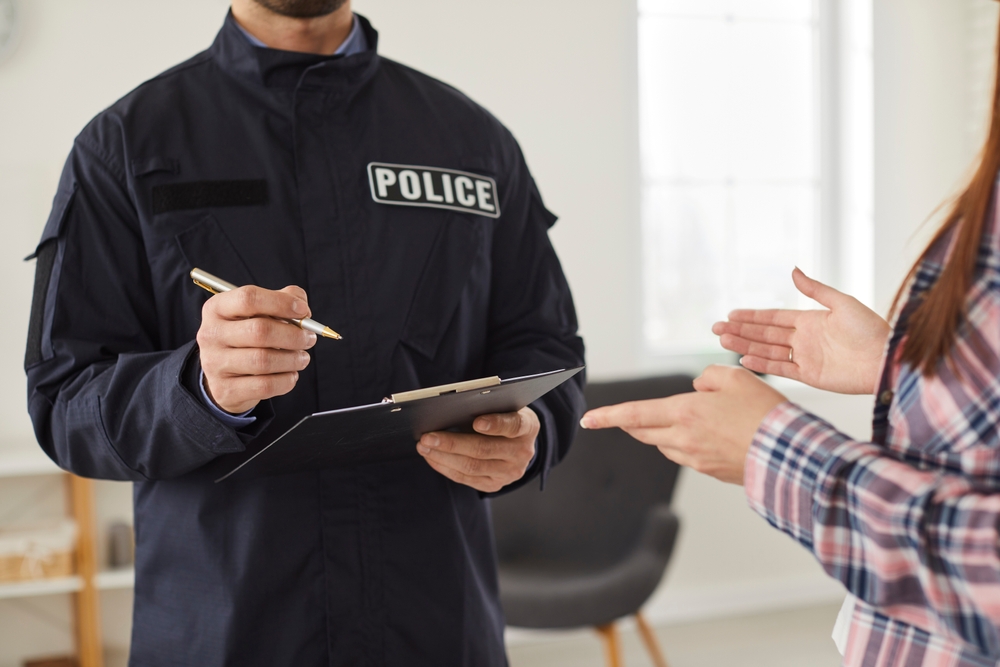
How Long Does It Take To Get A Police Report After A Car Accident?
How long it takes to get a police report after a car accident depends on the law enforcement agency and case complexity. Most police reports become available within 3 to 10 business days. Reports involving serious injuries, fatalities, or ongoing investigations may take several weeks. Drivers can typically obtain a copy online, by mail, or in person through the responding agency.
I hope you enjoy reading this blog post. If you want to hire a personal injury lawyer, click here.
Author: John Mattiacci | Owner Mattiacci Law Published January 4, 2026
Most police reports are available within 3 to 10 days after a car accident. However, accidents involving injuries, disputed fault, or ongoing investigations can take several weeks or longer before the report is finalized and released.The timeline depends on factors such as the responding agency’s workload, whether the accident required additional investigation, and whether supervisory review is required before the report is made public.If delays are interfering with your insurance claim or injury case, you can contact Mattiacci Law at 215-914-6919 for guidance while the report is pending.Many people searching for how long it takes to get a police report are dealing with insurance deadlines, injury claims, or disputes over fault after a crash.After a car accident, one of the first documents insurance companies, medical providers, and injured drivers rely on is the police report. If you were involved in a crash, you may be wondering how long it takes to get a police report and whether delays could affect your insurance claim or personal injury case.Police report timelines vary widely. Some reports are available within days, while others take weeks or longer, depending on the severity of the accident, whether injuries were involved, and how the responding law enforcement agency processes reports. Understanding realistic timelines—and what causes delays—can help you avoid unnecessary stress and protect your claim while waiting.This guide explains how long police reports typically take to become available, why some reports are delayed, how to obtain a copy, and what steps you should take while waiting, especially when injuries or insurance disputes are involved
How Long Does It Take to Get a Police Report After a Car Accident?
Typical Police Report Timeframes
Police report timelines are not uniform. The circumstances of the crash and the policies of the responding department play a major role in how quickly a report becomes available.
Minor Accidents Without Injuries
For minor accidents involving only vehicle damage and no reported injuries, police reports are often completed relatively quickly. In many municipalities, officers file these reports electronically at the scene or shortly afterward. Once submitted, the report may be reviewed and uploaded to the department’s records system within a few business days.In some jurisdictions, drivers involved in low-damage accidents may be permitted or required to submit a self-report instead of receiving a full officer-prepared report. While self-reports can be processed faster, they may carry less evidentiary weight in insurance disputes compared to reports prepared entirely by law enforcement.
Accidents Involving Injuries
When injuries are involved, police reports usually take longer to complete. Officers may need to gather additional information before finalizing the report, including:
Follow-up with injured parties
Clarification of how injuries occurred
Witness interviews
Review of body camera or dash camera footage
Because injury-related reports often influence insurance liability decisions, departments typically review them more carefully. This additional scrutiny can extend the processing timeline beyond the standard 3–10 day range.
Serious Injury or Fatal Accidents
Crashes involving serious injuries or fatalities almost always require extended investigation. These cases may involve accident reconstruction, toxicology testing, or coordination with prosecutors or specialized investigative units.In such situations, police reports can take several weeks—or longer—to be released, especially if the investigation remains open. Law enforcement may delay releasing the report until critical investigative steps are completed or until criminal proceedings are resolved.
What Causes Police Report Delays?
Delays in police report availability are common and do not necessarily indicate a problem with your claim. Several operational and investigative factors can slow the release of a report.Understanding how long it takes to get a police report helps set realistic expectations while waiting for insurers or attorneys to review the case.
Department Workload and Staffing Levels
High-volume police departments may process hundreds of accident reports each week. Limited staffing, holidays, and competing emergency calls can significantly slow turnaround times, particularly in larger cities or during peak travel seasons.
Supervisor Review and Quality Control
Many departments require supervisory approval before releasing a report. Supervisors may review reports for accuracy, completeness, and compliance with department policy.If a supervisor requests revisions or clarification, the report may be returned to the officer for correction, extending the timeline.
Disputed Fault or Citations
When fault is disputed or citations are issued, officers may delay finalizing the report until all evidence is reviewed. This is particularly common in multi-vehicle accidents or crashes involving commercial vehicles, pedestrians, or cyclists.
Ongoing Investigations
If an accident is part of an ongoing investigation, law enforcement may withhold the report until key investigative steps are completed. This can occur when criminal charges are possible or when additional expert analysis is required.
Your Path To Recovery
Need Award Winning Representation for Your Car Accident Case?
Our experts are ready to help you claim the compensation you need to move forward.
Police reports are usually available through the responding agency’s records division. The process for requesting a report varies depending on department policies.
Common Ways to Request a Police Report
Many police departments offer online portals where reports can be downloaded using a report or incident number. Other agencies require requests to be made in person, by mail, or through a third-party record service.Fees may apply, and identification is often required. Requesting the report directly from the correct agency can prevent unnecessary delays.
What Information You Need to Request a Report
You will usually need the date of the accident, location, names of involved parties, and the report or incident number if available.
Why the Police Report Matters for Insurance Claims
Insurance adjusters rely heavily on police reports to evaluate liability and coverage. The report often serves as the starting point for determining fault, even though it is not always conclusive.While you can open an insurance claim without a police report, most insurers will request it before making a final settlement decision.A police report can influence how quickly an insurer makes decisions about liability, whether further investigation is required, and how negotiations unfold—especially if statements conflict.
What to Do While Waiting for a Police Report
While waiting, document injuries, vehicle damage, and expenses. Photographs, medical records, and witness contact information can all support your claim.Keep a simple timeline of what happened: where you were, the direction of travel, traffic controls, weather, what you observed, and what you told the responding officer. This helps you stay consistent if you need to give a recorded statement later.If you are receiving medical care, keep copies of visit summaries and follow-through instructions. Consistent treatment documentation often matters more than the report itself when the issue is injury severity.
What If the Police Report Contains Errors?
Police reports can contain factual mistakes, such as incorrect vehicle positions, wrong insurance information, or missing witness names. Errors can happen when officers must write reports quickly or rely on incomplete information at the scene.If you spot an error, contact the department’s records unit to ask about the correction process. Some agencies allow an amendment; others allow only a supplemental statement. Either way, address errors early so they do not shape the insurer’s initial fault assessment.
How Police Reports Fit Into the Settlement Timeline
While police reports are important, they are only one part of the claims process. Injury cases are ultimately driven by medical documentation, wage records, and evidence of how the injury affects daily life.In many cases, settlement discussions become more productive once treatment stabilizes and future care needs can be estimated. A delayed police report can slow early claim processing, but it does not prevent you from documenting injuries, preserving evidence, or pursuing compensation.
When to Seek Legal Guidance
Police report delays can be frustrating, particularly when injuries are involved or fault is disputed. Legal guidance may be helpful if:
Your report is significantly delayed and the insurer is stalling
The report contains errors that materially affect fault
An insurer is using an incomplete narrative to deny or reduce a claim
Get Your Police Report Fast with Mattiacci Law
Getting a police report can sometimes take longer than expected, but it’s a crucial part of the legal process. If you’re facing delays or need assistance obtaining a police report for your case, Mattiacci Law is here to help.
With decades of experience handling personal injury claims, I can help expedite the process and ensure you have all the evidence you need to support your case. Contact Mattiacci Law today by calling 215-914-6919 for a free no-obligation consultation to discuss your case and learn how I can assist you.
How long does it usually take to receive a police report?
Most police reports are available within 3 to 10 days, but accidents involving injuries or investigations may take several weeks.
What is a police accident report?
A police accident report is an official document prepared by law enforcement that records key details about a motor vehicle crash, including the parties involved, location, and the officer’s observations.
How do I request a police report?
Step 1: Identify the law enforcement agency that responded to the accident.
Step 2: Submit a request using the report number or accident date and location.
Step 3: Pay any required administrative fee and follow the agency’s delivery instructions.
How long does it take to get a police report when injuries are involved?
Police reports involving injuries often take 2 to 4 weeks, depending on follow-up interviews, medical confirmations, and supervisory review.
Why do police reports take longer after serious or fatal accidents?
The reason is that serious or fatal crashes often require accident reconstruction, evidence review, and coordination with specialized investigative units before the report can be finalized.
Can a delayed police report slow down an insurance settlement?
Yes. If a police report is delayed, insurers may pause fault determinations or settlement negotiations until the report is available, which can slow claim resolution.
Can you file an insurance claim without a police report?
Yes. You can open an insurance claim without the police report, although insurers typically request it later to complete their evaluation.
Estimate only, not legal advice, not a prediction for your case. Real numbers
depend on your signed fee agreement, the actual cost ledger, and what each
lienholder ultimately accepts. Nothing you type here leaves your browser.
No attorney-client relationship is formed by using this widget.
Categories
Recent Posts
Medical Malpractice
When a patient receives medical attention that’s below the professional standard of care and that care then results in an ensuing injury and subsequent damages, Pennsylvania’s laws allow them to pursue a medical malpractice claim to compensate the victim for those damages.
Swimming in pools and lakes around Pennsylvania can be great fun. However, tragedy can strike quickly. All too often, accidental drownings take the lives of children and adults. These incidents can happen within seconds.
A brain injury can rob a person of his or her soul. It can shatter someone’s personality, change their character, destroy their memories, and limit their comprehension. In many cases involving a traumatic brain injury, the person who existed before the accident is replaced with a different person.
18-wheelers and other commercial trucks can weigh up to 80,000 pounds, so when they’re involved in a collision there can unsurprisingly be very serious injuries. Within the scope of personal injury law, these types of accident cases are much different than more typical car accidents.
In Philadelphia, hundreds of thousands of people rely on SEPTA and buses for public transportation each day, whether it be a city bus, motor coach, or charter bus. When you step on a bus to get to your destination, you probably don’t think twice about your safety.
You’ve been injured in an accident that was not your fault. Your medical bills are piling up, and you haven’t worked in months. You’re considering filing a personal injury claim. You might be wondering how long your Philadelphia personal injury lawsuit or case will take.
The owner of a dog that attacks a person may be held responsible for the victim’s injuries. To be successful in winning a dog bite case, it must be shown that the owner knew or had reason to know that his or her dog had a “vicious propensity.” In other words, a dog bite lawyer must show that the owner knew or should have known that the dog was dangerous or could bite someone.
Taking a tumble may seem like not a big deal. For many people, it isn’t; they are able to get up, brush themselves off, and continue on with their day. Yet for others, falls can be incredibly dangerous.
As Philadelphia construction accident attorneys, both John Mattiacci and William Coppol have represented numerous clients who have been seriously injured in construction accidents. These accidents have occurred on construction sites and on job sites throughout Philadelphia, the surrounding counties, and in New Jersey.
Wrongful death and survival action cases are among the most heart-wrenching types of cases that our firm handles. John Mattiacci has extensive experience handling these cases, in addition to death cases in Pennsylvania and New Jersey.
Philadelphia has the highest rate of car accidents in Pennsylvania. If you or a family member has been injured in a traffic accident, you may feel overwhelmed. Philadelphia car accident lawyers from Mattiacci Law have nearly two decades of experience in handling serious car accident cases in Philadelphia and across Pennsylvania. Our team of experienced personal injury attorneys stand ready to help you through the challenges and difficulties faced by victims of car crashes.
When you buy a product you expect that product to work as advertised and to be safe for its intended use. You should also expect that the product comes with all necessary warnings and instructions in order to use it safely. If a product is defective and is unsafe for use, the manufacturer and seller of the product may be held responsible for any injury caused by the defect.