

Author: John Mattiacci | Owner Mattiacci Law
Published August 27, 2025
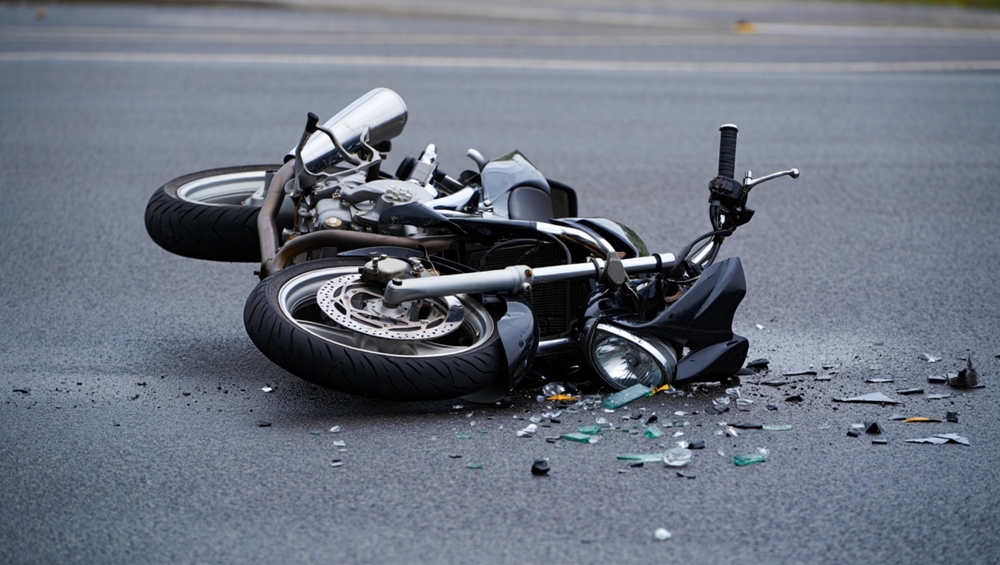
Getting knocked off your bike is painful and downright confusing. One moment you’re riding along, and the next you’re dealing with bruises, bent wheels, and a thousand questions racing through your head.
Who’s supposed to pay for this? Do you call your own insurance, the driver’s, or someone else entirely? And what if the person who hit you just took off?
The good news is, you don’t have to figure it out blind.
In this post, we’ll go over who to go to with bike accident claims.
#1 Medical Professionals
Your health comes first. Even if you think you’re fine, get checked out. Adrenaline after an accident can mask pain, and some injuries don’t show up right away.
A quick visit to the ER, urgent care, or your doctor makes sure nothing is hiding beneath the surface.
The bonus? Medical records are solid evidence.
If you need to prove the accident caused your injuries, those records are your backup. They can show when you were treated, what the diagnosis was, and what follow-up care you needed.
That’s gold when it comes to filing claims later.
So don’t brush it off. Getting that medical evaluation helps both your body and your case.
Also Read: Pennsylvania Motorcycle Accident Laws
#2 Police
Next stop: the police. If a car or another person was involved, you’ll want an official report.
This document is like the backbone of your claim. It captures the details: time, location, road conditions, names, and statements from anyone who saw what happened.

Having the police involved also makes it harder for anyone else to twist the story later.
If the driver tries to say you were at fault, you’ve got that report to back you up. Even in smaller crashes, it’s worth calling them.
Take a few minutes to snap photos while you’re at the scene too.
Get shots of your bike, the car, the road, and anything else that helps paint the picture.
#3 Insurance Company
If a driver caused the accident, you’ll usually go through their insurance. Their liability coverage is supposed to pay for your injuries and damage.
When you reach out, be prepared. Have your police report handy. Gather your medical bills and any repair estimates for your bike. The more organized you are, the faster things can move.
Also Read: Pennsylvania Motorcycle Accident Statistics
But here’s the reality: insurance companies aren’t famous for being generous.
They might try to lowball you or delay things until you give up.
That’s when having backup (like a lawyer, which we’ll get to soon) comes in handy.
Still, you want to start this process as soon as possible. Waiting too long can hurt your case.
#4 Bike Accident Lawyer
You don’t always need a lawyer, but in many bike accident cases, it helps.
Think of them as your translator and fighter rolled into one. They know the legal system, they know the tricks insurance companies pull, and they know how to build a strong claim.
If your injuries are serious, you definitely want professional help. Medical bills pile up fast, and you don’t want to be left covering them out of pocket.
A lawyer can negotiate on your behalf, gather extra evidence, and push for a fair settlement.
The good news is that most personal injury lawyers in Pennsylvania work on a “no win, no fee” basis. That means you don’t pay them upfront. They only get paid if you get compensation.

So if you’re nervous about cost, that takes the edge off.
#5 Government Or Road Authority
Not every bike accident involves a driver. Sometimes the road itself is the problem. Maybe a deep pothole sent you flying. Or the city failed to fix a dangerous section of the bike lane.
In cases like this, you might have a claim against the local government or road authority.
This process is usually trickier than dealing with an insurance company. There are strict deadlines, and the paperwork can be intense.
But it’s worth exploring if the accident wasn’t your fault and poor road conditions caused it.
A lawyer can also help here since these cases can get technical.
#6 Your Own Insurance
Don’t forget to check your own policies. Health insurance, for example, can cover your medical treatment while the claim is being sorted out.
If you’ve got bicycle insurance or an add-on through your homeowner’s or renter’s policy, that may kick in too.
Some people also carry personal accident insurance. It’s designed for situations just like this, covering medical costs, lost wages, and sometimes even bike replacement.
The point is, don’t just assume it’s only about the other person’s insurance. Look at your own coverage – you might have more support than you think.
Also Read: What To Do If Hit By Car On My Bike?
Bottom Line
Getting into a bike accident shakes you up. Between the pain, the stress, and the confusion, figuring out claims might feel overwhelming.
But once you know who to contact, things start to make more sense.
Start with your health. Call the police. Collect your documents. Then work your way through the insurance side of things. Bring in a lawyer if you need extra muscle.
You don’t have to go through it alone, and you definitely don’t have to accept less than you deserve. Take it step by step, get the right people on your side, and you’ll be in a much stronger position to recover.
FAQs
Can I Claim Compensation If The Driver Wasn’t At Fault?
Even if the driver wasn’t clearly to blame, you might still get compensation. Your own insurance may cover medical bills through PIP (personal injury protection), no matter who caused the crash.
Plus, partial fault doesn’t always block a claim as PA allows recovery even if you’re partly at fault.
What If The Driver Fled The Scene (Hit-And-Run)?
If the driver took off, report it to the police right away. And you can still file a claim using your own uninsured motorist (UM) coverage, which is designed for hit-and-runs.
An attorney can help track down leads and deal with your insurer.
Can I Still Claim If I Wasn’t Wearing A Helmet?
Yes, you can still pursue a claim after a motorcycle accident even if you weren’t wearing a helmet, because being in violation of the helmet law doesn’t automatically bar you from compensation.
However, the other side’s insurance company may argue that your injuries (especially head injuries) were worsened by not wearing one, and they might try to reduce your payout.