

Author: John Mattiacci | Owner Mattiacci Law
Published December 1, 2025

Multi-car accidents can feel like total chaos.
One second you’re cruising along, and the next, cars are piling up like dominoes. Between the noise, confusion, and damage, it’s tough to even know who hit who.
Then comes the big question everyone asks: whose insurance is actually paying for all this?
The short answer is that it depends on who caused the crash and where you live. But the longer version is a bit more complicated, and that’s what we’ll unpack here.
In this post, we’ll explain whose insurance pays in a multi-car accident.
How Fault Works In Multi-Car Accidents
In a multi-car accident, insurance companies look for fault first.
They need to figure out which driver (or drivers) set off the chain reaction. Usually, they rely on police reports, dashcam footage, and witness statements to piece together what happened.
Let’s say a driver isn’t paying attention and rear-ends the car in front of them. That car then hits another, and maybe even another after that. In most cases, the person who caused the first impact is the one held primarily responsible.
But that’s not always the whole story.
Each driver’s actions before the crash also matter.
Was someone tailgating? Speeding? Distracted? Every little detail counts when insurance companies are assigning fault.
Also Read: What Evidence Do I Need To Win A Motorcycle Accident Settlement
And in big pileups, it’s common for more than one person to share some of the blame.
Whose Insurance Pays In A Multi-Car Accident?
The at-fault driver’s insurance usually pays for the damages and injuries to others involved. That includes repairs, medical bills, and sometimes even rental cars while vehicles are in the shop.
But things get complicated when more than one driver contributes to the crash.
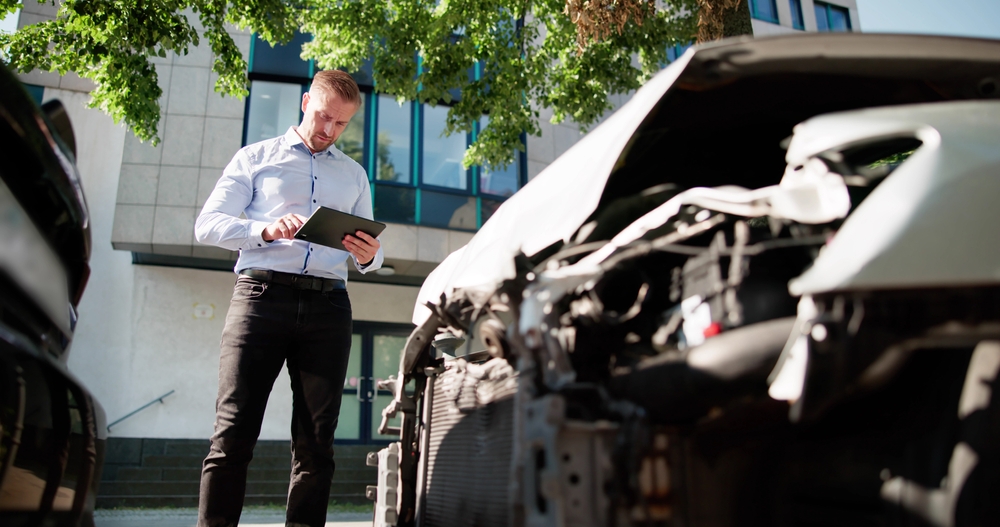
Let’s say the first driver slammed on their brakes too hard, but the second driver was following too closely. Both could share fault. In that case, both insurance companies may need to cover part of the damages based on each driver’s level of responsibility.
Here’s a simple example.
Imagine Car A stops suddenly, Car B hits A, and Car C then hits B.
Most of the time, Car B is responsible for hitting A, and Car C is responsible for hitting B. But if the first stop was unreasonable or unsafe, Car A could hold some blame too.
That’s why investigators look at every angle before deciding who pays what.
So, in short, the driver (or drivers) who caused the accident are financially responsible. Their insurance companies step up first.
But that process can take a while as everyone figures out who’s really at fault.
Shared Fault And Comparative Negligence
In many states, blame isn’t all-or-nothing. Insurance adjusters often divide it up based on something called comparative negligence.
It basically means fault can be split among multiple drivers.
Let’s say one driver is 80% responsible, and another is 20%. In that case, each insurance company pays for damages according to that percentage.
So, if your car repairs cost $10,000 and you were 20% at fault, you’d only get $8,000 covered.
Each state has its own rules about how this works. Some states say you can only recover damages if you’re less than 50% at fault. Others allow recovery even if you’re mostly responsible, but your payout gets reduced.
It’s not the easiest system to follow, but the idea is to make things fair when more than one person messes up.
When Your Own Insurance Steps In
Even if you’re not at fault, your own coverage might come in handy while everything gets sorted out. That’s especially true if there’s a long investigation or a driver with no insurance involved.
Here’s how your coverage can help:
- Collision coverage pays to repair your vehicle, even if you’re waiting for the other driver’s insurance to pay up.
- Personal Injury Protection covers medical bills for you and your passengers, no matter who caused the crash.
- Medical Payments (MedPay) are similar to PIP but usually smaller and more flexible.
- Uninsured/Underinsured Motorist coverage helps when the at-fault driver doesn’t have enough insurance, or any at all.
These coverages can save you a ton of stress, especially in complicated multi-car pileups. They also help keep things moving while fault is still being debated.
Also Read: How To Document Evidence After A Car Accident
How It Works In No-Fault States
If you live in a no-fault state, things work a bit differently. Each driver’s own insurance pays for their medical costs first, regardless of who caused the crash.
That’s why it’s called “no-fault.”
But no-fault doesn’t mean no responsibility. Property damage (like repairs to your car) still depends on who was at fault.
And if your injuries are serious or costs exceed your policy limits, you can still file a claim against the at-fault driver’s insurance.
No-fault laws exist to speed up payments and cut down on lawsuits. But when a big multi-car pileup happens, insurance companies still have to dig into the details to figure out who should ultimately cover what.
What To Do Right After A Multi-Car Accident
These crashes can be overwhelming, but what you do right after matters a lot. Staying calm and taking the right steps can make your insurance claim go much smoother later.

Here’s what to do:
- Check for injuries first. Call 911 if anyone’s hurt. Safety always comes first.
- Move your car out of traffic if you can do it safely.
- Take photos, grab license plates, insurance details, and witness contacts.
- Avoid admitting fault since even a simple “sorry” can get twisted later. Let the investigators handle that part.
- Notify your insurance company. The sooner you report the accident, the easier the process will be.
After things calm down, jot down your own version of what happened while it’s still fresh in your mind. Details fade fast after a stressful event like that.
Also Read: What Happens If The At-Fault Driver Has No Insurance
When To Call An Attorney
Multi-car accidents often turn into a finger-pointing game. With multiple insurance companies involved, things can drag on for months. Each insurer will try to minimize their driver’s role in the crash, which can leave you stuck in the middle.
That’s when having an attorney can really help.
A good accident lawyer knows how to deal with insurance companies, gather evidence, and protect you from being unfairly blamed.
They’ll also make sure you don’t get shortchanged on your settlement.
If you’re injured, facing medical bills, or just getting the runaround from insurers, it’s smart to get professional help. A lawyer can sort through the confusion and handle the negotiations so you can focus on recovering.
Bottom Line
Multi-car accidents can get complicated fast. With multiple drivers, overlapping stories, and different insurance companies involved, it’s not always easy to figure out who pays for what.
In general, the at-fault driver’s insurance pays in a multi car accident.
But when more than one driver shares responsibility (or if you live in a no-fault state) things can shift quickly. That’s where your own coverage and sometimes a good attorney come in to make sure you’re not left footing the bill.