


Author: John Mattiacci | Owner Mattiacci Law
Published August 16, 2026

A crash at 20 mph might not sound like a big deal. After all, you’re not traveling at highway speed, and the vehicles involved may only have a few scratches or dents.
Still, a 20 mph collision can cause injuries, damage, and insurance headaches.
The first few minutes after a crash matter, so it’s important to take things one step at a time. Your main priorities are safety, injuries, documentation, and making sure the accident is properly reported.
In this quick guide, we’ll walk through what to do after a 20 mph crash.
#1. Stop Your Vehicle And Check Everyone For Injuries
First things first, stop your vehicle.
Turn on your hazard lights and look around before getting out.
If your car can be moved safely and it’s blocking traffic, move it to a safer location. Don’t put yourself or anyone else in danger just to move a damaged vehicle.
Next, check yourself, your passengers, and the people in the other vehicle for injuries.
A 20 mph crash can still cause whiplash, bruising, headaches, back pain, or other injuries. Some symptoms may not show up immediately because adrenaline can make you feel surprisingly okay right after the collision.
If someone is seriously injured, call emergency services right away.
Try not to move someone who may have a serious neck or back injury unless staying where they are creates an immediate danger.
Also Read: If You Poop Yourself In A Car Accident
#2. Call The Police
Calling the police after a crash can be a smart move, especially when there are injuries, significant damage, or disagreement between the drivers about what happened.
The police can document the scene, speak with the drivers and witnesses, and prepare an accident report.
That report may become useful later for an insurance claim or legal dispute.
You don’t need to turn a minor accident into a dramatic situation. Simply explain what happened and provide the information requested by the officer. Stick to the facts rather than trying to decide who’s at fault.
#3. Exchange Information With The Other Driver
After making sure everyone is safe, exchange information with the other driver.
Even if the damage looks tiny, don’t simply drive away after saying, “We’re good.”
Collect the driver’s name, contact information, driver’s license details, vehicle information, and insurance information. You should also get the vehicle’s license plate number.
Keep the conversation polite and calm. A stressful crash can make people angry quickly, but arguing at the scene rarely helps. You can explain what you saw without making accusations or getting into a heated discussion about responsibility.
#4. Document The Crash
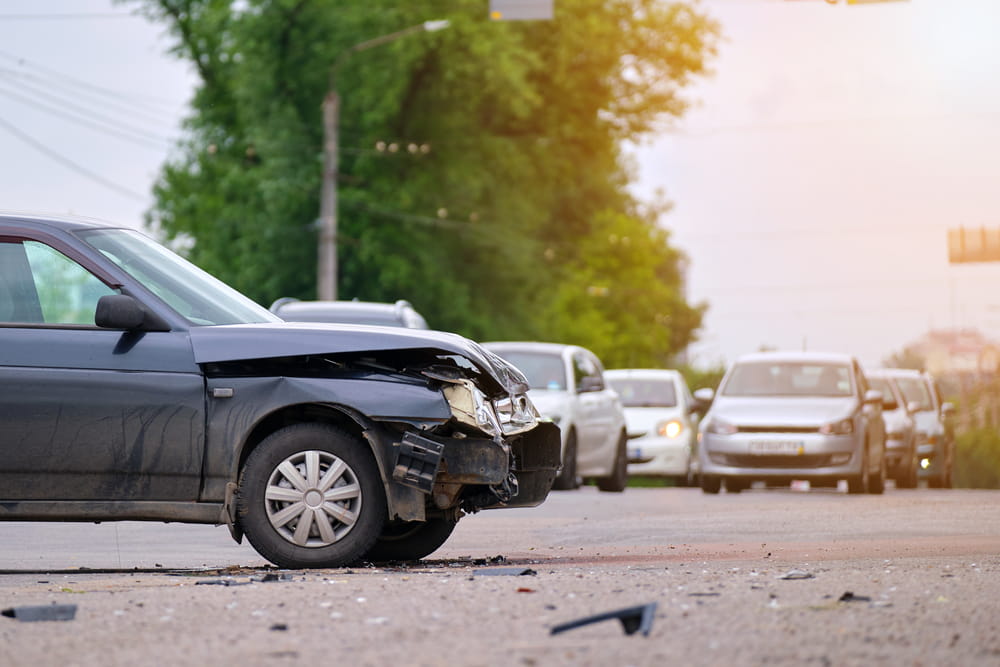
Your phone can be incredibly useful after an accident. Before vehicles are moved, when it is safe to do so, take plenty of pictures of the scene.
Also Read: Harassing Phone Calls After Car Accident
Take:
- Photograph the damage to every vehicle involved.
- Take pictures of the road, intersection, traffic signs, signals, debris, and surrounding area.
- Photograph license plates and any visible skid marks or other physical evidence.
You can also write down what happened while the details are still fresh in your mind.
Note the approximate time, location, direction each vehicle was traveling, weather conditions, and anything unusual you remember.
If there were witnesses, ask for their names and contact information. People leave the scene quickly, and a witness may later provide useful information about what happened.
#5. Don’t Admit Fault
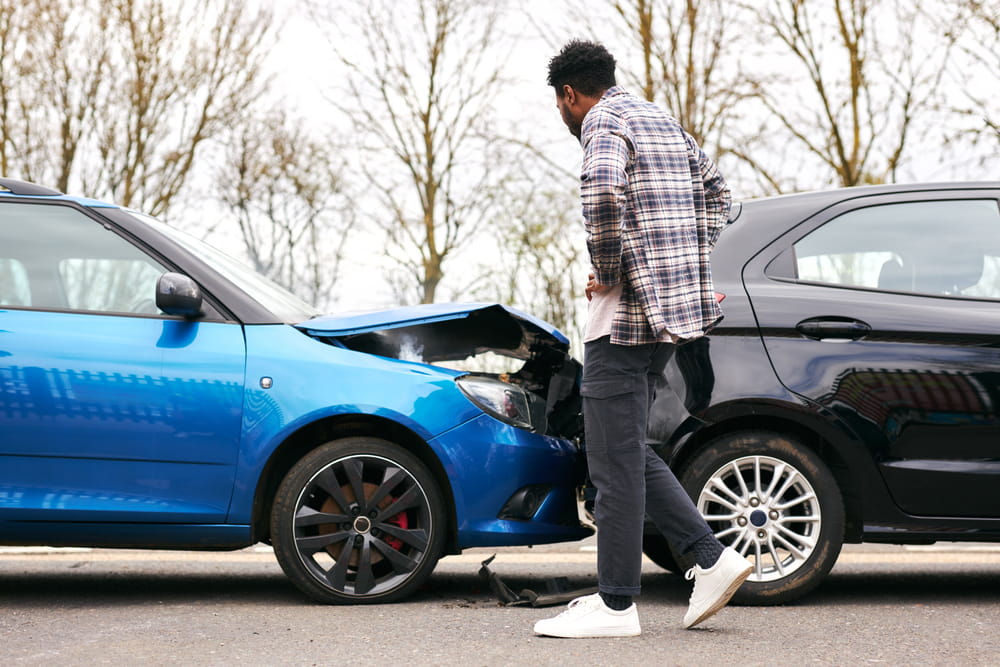
After a crash, it’s natural to say something like, “I’m sorry,” even when you’re simply being polite.
Be careful with statements that could be interpreted as admitting responsibility.
You don’t have to argue with the other driver or insist that they caused the accident either. Just stick to the facts. Tell the police and insurance company what you observed and let the investigation determine responsibility.
For example, instead of saying, “I wasn’t paying attention and hit you,” describe what happened without guessing about fault. You may not have the complete picture in those first few minutes.
#6. Seek Medical Attention
Feeling fine immediately after a 20 mph crash doesn’t always mean you’re completely uninjured. Some injuries develop gradually, and symptoms can become noticeable hours or even days later.
Pay attention to things like:
- Neck or back pain
- Headaches
- Dizziness
- Numbness
- Unusual soreness
- Difficulty moving normally
If you notice concerning symptoms, get medical attention.
A medical evaluation can also create a record of your condition after the accident.
Follow any treatment instructions you receive and keep copies of medical bills, records, prescriptions, and other accident-related expenses.
This doesn’t mean you need to rush to the emergency room for every tiny bump. The important thing is not to ignore symptoms simply because the crash happened at a relatively low speed.
#7. Contact Your Insurance Company
You should notify your insurance company about the accident according to the requirements of your policy. Give them the basic facts and provide the documentation you’ve collected.
Your insurer may ask for photographs, the police report, information about the other driver, and details about the damage.
Keep copies of everything you submit.
Also, don’t assume your vehicle is fine just because you can still drive it. Modern vehicles contain sensors, cameras, airbags, and other components that can be damaged in a collision without obvious signs from the outside.
Having the vehicle properly inspected can help uncover hidden damage.
Also Read: How To Negotiate Pain And Suffering Claim Without Lawyer
When Should You Talk To A Lawyer?
A minor accident doesn’t automatically mean you need a lawyer. Many low-speed crashes are handled through insurance without a legal claim.
Still, talking to an attorney can make sense when the situation becomes more complicated.
We recommend you talk to an accident lawyer if:
- You suffered an injury or your symptoms are getting worse.
- The other driver disputes what happened or blames you.
- The insurance company refuses or delays a reasonable claim.
- You have significant medical expenses or lost income.
- The crash involved a serious dispute about fault.
- Your vehicle suffered substantial damage.
- You believe the other driver’s conduct was especially dangerous.
A lawyer can review the facts, explain your options, and help you understand what your claim may be worth. You don’t have to wait until things become a huge problem before asking for legal advice.
Bottom Line
A 20 mph crash may seem minor, but it’s still an accident that deserves attention.
Start with safety. Stop the vehicle, check everyone for injuries, and call the police when appropriate. Then exchange information, document the scene, avoid admitting fault, and keep an eye out for delayed symptoms.
Contact your insurance company and have your vehicle checked for damage that may not be obvious.
Most importantly, don’t let the low speed fool you into thinking nothing could have gone wrong. Even a relatively low-speed collision can leave someone injured or create an insurance dispute.