


Author: John Mattiacci | Owner Mattiacci Law
Published January 26, 2026
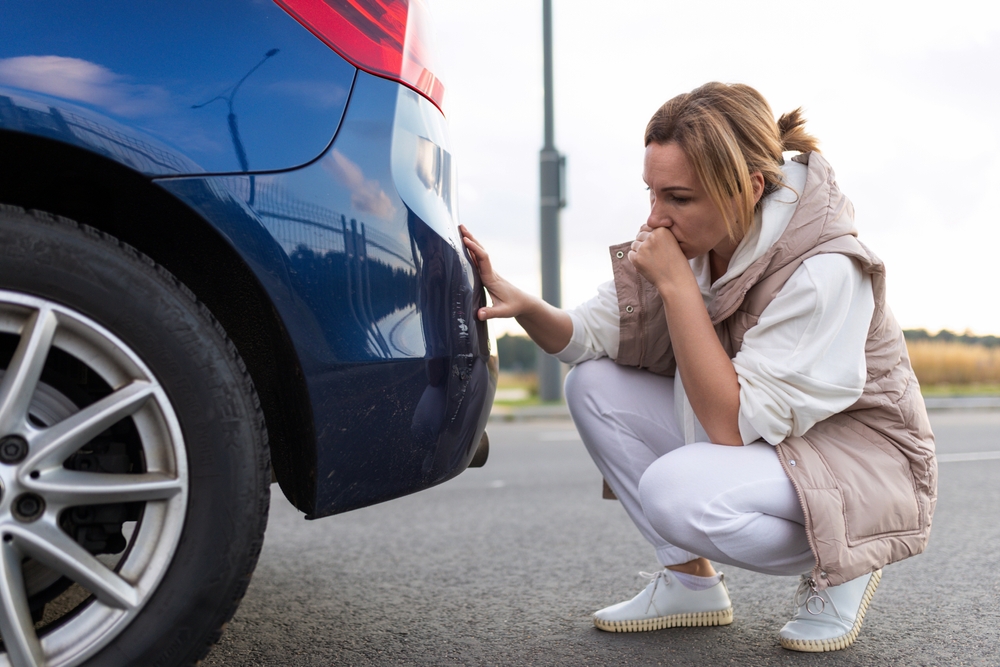
You feel a sudden jolt, a little bump, and your heart skips. One second you’re on your way, the next you’re sitting in your car, trying to process what just happened.
Minor accidents have a way of throwing you off, even when no one is hurt.
And when there’s no police report, it can feel like the rules disappeared.
You wonder what steps actually matter, how to protect yourself, and how to make sure this little mishap doesn’t turn into a headache later.
In this post, I’ll show you what to do after a minor accident with no police report.
#1. Make Sure Everyone Is Safe
Before doing anything else, pause and make sure everyone involved is okay.
It’s so easy to rush straight into taking photos or thinking about insurance, but those things can wait a minute.
Look at your passengers. Ask the other driver how they’re feeling.
Sometimes people think they’re fine until they actually take a second to breathe. And if you’re stuck in traffic, gently move the cars to a safe area so no one else ends up hitting you.
As long as your vehicle can move without grinding or dragging anything serious, it’s better to pull over than stay in the middle of chaos.
Once you’re out of the way, take a moment to let the adrenaline settle.
Also Read: Can A Passenger Leave The Scene Of An Accident
#2. Exchange Information With The Other Driver
This step matters more than it seems.
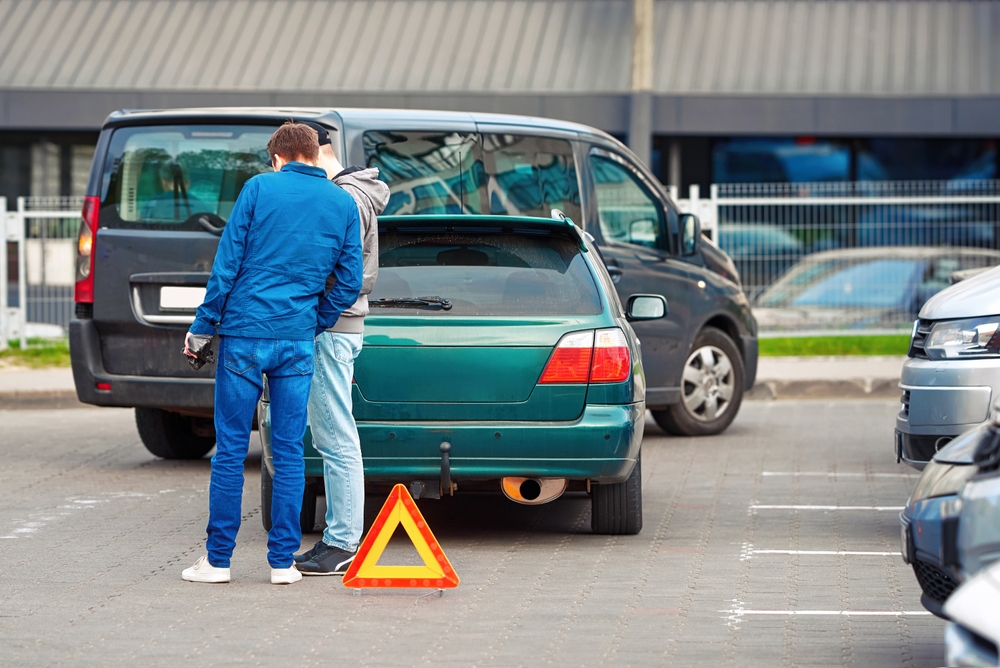
You don’t have to get into long conversations or debates about fault. Just collect the essentials that your insurance company will ask for later.
Here’s what to collect:
- Full name and phone number
- License plate number
- Insurance company and policy number
Some drivers might be shaken or irritated so the best thing you can do is stay calm.
If someone refuses to cooperate, don’t get into an argument. Just take clear photos of their car and plate and note the time, location, and anything else that seems important. Most insurance companies can work with that, so don’t panic.
And avoid apologizing or saying anything that could sound like you’re admitting fault.
#3. Document The Scene Yourself
Since there’s no police report, your own documentation becomes the main record of the accident. So this is super important.
Take photos from multiple angles. Get close-ups of the damage, wide shots showing how the cars were positioned, and anything else that might help explain what happened.
Even things like road conditions, weather, parked cars, skid marks, or blind corners can matter later.
Also Read: How Do Police Determine Fault In An Accident
If someone nearby saw what happened, ask for their name and phone number.
You don’t need them to testify or write anything; having their contact info is enough in case you need support later. And take a few quick notes on your phone about what you saw, how fast you were going, and what the road looked like.
You’ll forget these small details faster than you think, so capturing them now saves you from guessing later.
#4. Call Your Insurance Company
Even when the accident is minor, it’s better to tell your insurance company.
People often try to work things out privately because they think it keeps things simple, but private agreements can fall apart fast.
The other driver might change their story or suddenly claim extra damage. Your own car might have hidden issues. Or they might tell their insurer something completely different that comes back to you unexpectedly.
Reporting early protects you from all of these.
Most insurance companies make it painless to file a report. You can upload photos on an app, send a message, or call someone directly.
They’ll ask for the same basic details you collected, and they might recommend a repair shop or schedule an inspection.
And yes, people worry about premiums going up, but reporting a minor accident doesn’t automatically cause that. It depends on your policy, your state, and who caused the crash. What does matter is protecting yourself from future surprises, so loop your insurer in as soon as you can.
#5. Keep An Eye On Delayed Injuries Or Hidden Damage
Minor accidents sometimes feel harmless until the next day. You wake up feeling sore in places you didn’t expect. That’s because adrenaline covers up a lot in the moment.
If you notice new pain in your spine, neck, shoulders, wrists, or anywhere else, get checked by a doctor. Even a quick visit helps you understand what’s going on and creates documentation in case you need it later.
Cars can hide damage just as well as bodies do.

A small dent could hide alignment issues, suspension damage, or internal parts that shifted from the impact.
Pay attention to how your car feels over the next couple of days. If it pulls to one side, makes unusual noises, vibrates, or feels slightly off, have a mechanic take a look.
It’s much easier to fix these things early than deal with bigger problems later.
When You Should Still Consider Filing A Police Report Later
You can file a police report even after the fact. It’s not as strong as an on-the-spot report, but it still creates an official record. This can be useful if:
- You feel pain or injuries show up later
- The other driver gives false info
- Your insurance company asks for a report
- The damage turns out to be worse than first thought
Some states allow several days to file for minor accidents.
Go to the station, explain what happened, and fill out a simple form. Don’t worry about recalling every detail perfectly – just give your best account.
The point isn’t to get anyone in trouble. It’s simply about having something official on paper.
Also Read: Police Procedure After Car Accident
Tips To Avoid Problems Later
You already know the basics, but here are a few extra things that make life easier after a minor crash:
- Take photos before repairing anything
- Avoid continuing personal conversations with the other driver and let insurance handle communication.
- Follow up with your insurance company.
- Keep every document – receipts, repair estimates, medical notes, and anything tied to the accident.
- Keep all your notes and photos in one place
These small steps save you from long explanations later.
Bottom Line
A minor accident with no police report isn’t the end of the world. Plenty of people deal with this every single day! It’s far more manageable than it seems in the moment.
Make sure everyone’s safe. Swap info. Capture the details yourself. Loop in your insurance company. Then give it a few days to see if anything new pops up.
If things get weird or the other driver suddenly tells a new story, you can still file a report later.
So breathe, take things one step at a time, and trust that you’ve done everything you need to protect yourself moving forward.