

Author: John Mattiacci | Owner Mattiacci Law
Published January 13, 2026
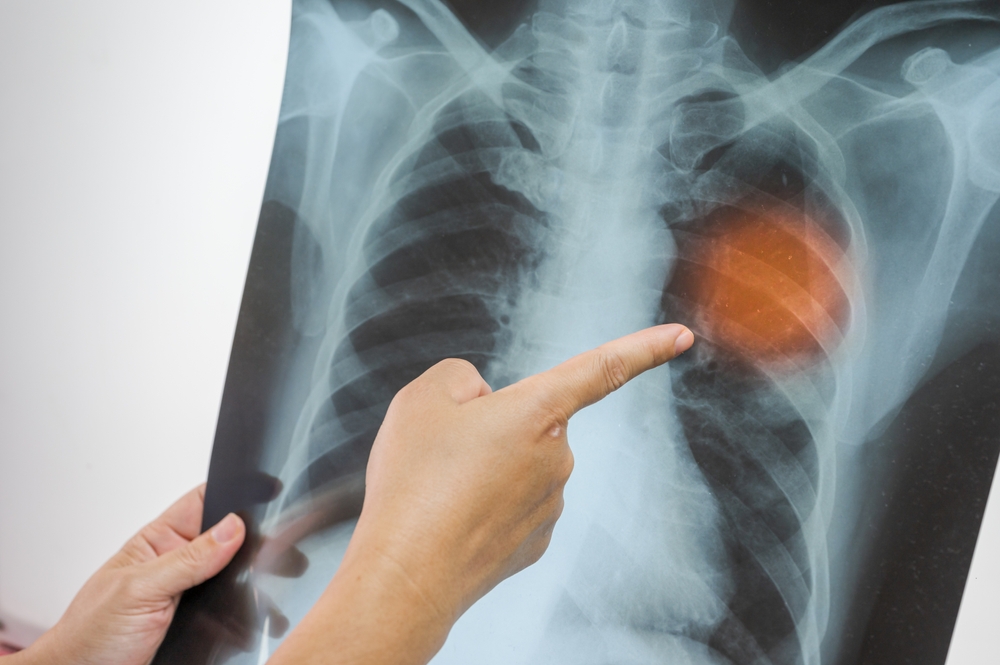
A broken rib injury is often far more serious than it initially appears. While some rib fractures heal with rest and pain management, others lead to prolonged pain, breathing difficulties, lung complications, or extended hospital stays.
Many people ask how much compensation for broken ribs in a car accident they can expect, especially when hospitalization, missed work, or breathing complications are involved.
In Pennsylvania personal injury cases, settlements for broken ribs vary significantly depending on the severity of the fracture, associated injuries, and how the injury affects a person’s daily life and ability to work.
If you suffered broken ribs in a Pennsylvania accident, understanding how settlement values are calculated—and why some cases resolve for much more than others—can help you evaluate whether an insurance offer truly reflects the harm you suffered.
Quick Answer: What Is the Average Settlement for Broken Ribs in Pennsylvania?
In Pennsylvania, broken rib settlements commonly range from $25,000 to $100,000, depending on the number of ribs fractured, whether complications occurred, the extent of medical treatment, and available insurance coverage. Cases involving hospitalization, lung injury, or lasting impairment often settle for significantly more.

Why Broken Rib Settlement Amounts Vary So Widely in Pennsylvania
Rib fractures exist on a broad spectrum. A single, uncomplicated rib fracture treated on an outpatient basis is valued very differently from multiple rib fractures requiring hospitalization or surgical intervention. Pennsylvania insurers evaluate not only the fracture itself but also how the injury affects breathing, mobility, work capacity, and long-term health.
Settlement value is influenced by factors such as the number of ribs broken, whether fractures are displaced, the presence of lung injury, duration of recovery, and documented pain and functional limitations. Because these variables differ from case to case, there is no single “standard” settlement for a broken rib injury.
How Insurance Companies Internally Classify Broken Rib Injuries
Insurance companies do not evaluate rib fractures based solely on pain complaints. Instead, they classify broken rib injuries using internal severity tiers that influence early valuation and negotiation posture.
Uncomplicated rib fractures without displacement are often treated as short-term injuries, even when pain is substantial. By contrast, displaced fractures, multiple rib injuries, or fractures accompanied by lung trauma are categorized as higher-risk claims due to increased medical exposure and recovery uncertainty.
This internal classification system explains why two rib injuries that appear similar on the surface can result in dramatically different settlement outcomes.
Typical Pennsylvania Settlement Ranges for Broken Rib Injuries
While every claim is unique, the following ranges reflect common settlement outcomes in Pennsylvania when liability is reasonably clear and medical documentation is strong:
|
Rib Injury Severity |
Typical Pennsylvania Settlement Range |
|
Single rib fracture, no complications |
$25,000 – $45,000 |
|
Multiple rib fractures |
$45,000 – $90,000 |
|
Rib fractures with lung injury |
$75,000 – $150,000+ |
|
Rib fractures requiring surgery or extended hospitalization |
$100,000 – $250,000+ |
These figures assume adequate insurance coverage and consistent medical treatment.
How Medical Treatment Drives Broken Rib Settlement Value
Medical treatment is the primary driver of settlement value in rib fracture cases. Insurance companies closely examine how the injury was diagnosed, how long treatment lasted, and whether complications developed during recovery.
Emergency room visits, imaging studies such as CT scans, pain management, and follow-up care form the baseline of valuation. Settlement value increases when treatment includes hospitalization, respiratory therapy, surgical stabilization, or prolonged monitoring. Longer recovery periods and repeated medical visits signal greater injury severity and generally result in higher settlement offers.
The Role of Diagnostic Imaging in Rib Injury Valuation
Diagnostic imaging plays a critical role in how rib injury claims are valued. X-rays may identify fractures, but CT scans often reveal additional damage that significantly changes settlement evaluation.
CT imaging can uncover:
- Displaced fractures not visible on standard X-rays
- Associated lung contusions
- Internal bleeding or subtle pneumothorax
When imaging confirms these findings, insurers reassess risk and often increase settlement authority. Conversely, limited imaging can result in conservative early valuations that fail to reflect true injury severity.
Single Rib Fractures vs Multiple Rib Fractures
A single rib fracture without displacement typically heals within several weeks, although pain can be intense. These cases are often valued based on short-term pain, temporary activity restrictions, and limited work disruption.
Multiple rib fractures change the valuation analysis. They increase the risk of breathing complications, require longer recovery, and often lead to greater functional impairment. Pennsylvania insurers typically view multi-rib fractures as more serious injuries, particularly in older adults or individuals with pre-existing respiratory conditions. As a result, settlements for multiple rib fractures are usually higher than those for isolated fractures.
Lung Injuries and Complications Associated With Broken Ribs
Broken ribs can puncture or bruise lung tissue, leading to serious complications such as pneumothorax (collapsed lung), pulmonary contusions, or internal bleeding. These complications substantially increase settlement value because they introduce greater medical risk and prolonged recovery.
When lung injury is documented, insurers factor in extended hospitalization, respiratory monitoring, increased pain, and the possibility of long-term breathing limitations. These cases often exceed average settlement ranges due to the heightened danger and lasting impact on respiratory health.
For additional medical context, the Cleveland Clinic’s overview of rib fractures and complications explains why lung involvement significantly increases injury severity.
Common Pulmonary Complications That Increase Settlement Value
Certain complications materially increase both medical risk and settlement value in Pennsylvania rib fracture claims, including:
- Pneumothorax (collapsed lung) requiring monitoring or intervention
- Pulmonary contusions causing impaired oxygen exchange
- Pleural effusions requiring drainage
- Increased pneumonia risk due to restricted breathing
When these complications appear in medical records, insurers typically reassess settlement value upward due to increased exposure and longer recovery timelines.
Pain, Breathing Limitations, and Daily Life Impact
Rib fractures are uniquely painful because every breath, cough, or movement aggravates the injury. This pain can interfere with sleep, mobility, personal care, and basic daily activities for weeks or months.
In Pennsylvania settlements, pain and suffering compensation increases when medical records document persistent pain, difficulty breathing, limited mobility, and reduced quality of life. Journals, physician notes, and physical therapy records often play an important role in demonstrating the real-world impact of the injury.
Why Rib Fracture Pain Is Treated Differently Than Other Injuries
Unlike extremity fractures, rib injuries cannot be immobilized. Every breath, cough, or movement re-aggravates the injury, often extending pain well beyond the expected healing timeline.
This distinction matters for valuation. Insurers consider whether pain management required prescription medication, repeat visits, or interfered with sleep and respiratory function. When pain persists beyond the acute phase, settlement value often increases due to documented functional disruption.
Lost Wages and Work Restrictions in Pennsylvania Rib Injury Claims
Many individuals with broken ribs are unable to work during recovery, especially if their job involves physical labor, lifting, or prolonged movement. Settlement value increases when wage loss is clearly documented through employer statements, pay records, and physician work restrictions.
If rib fractures prevent a return to the same job duties or result in prolonged absence, lost income becomes a meaningful component of the settlement. In more serious cases, ongoing limitations may affect long-term earning capacity, further increasing claim value.
How Physical Job Demands Amplify Rib Injury Settlement Value
Rib fractures disproportionately affect individuals whose work involves lifting, twisting, or sustained physical exertion. Even when fractures heal structurally, pain or breathing limitations may prevent a return to full duties.
In these cases, insurers evaluate not just time missed from work, but whether the injury forced:
- Temporary job modification
- Reduced hours
- A delayed return to full capacity
When medical restrictions align with job requirements, wage-related damages often push settlements above average ranges.
How Pennsylvania Insurance Coverage Limits Affect Rib Injury Settlements
Even when rib injuries are severe, settlement value may be capped by available insurance coverage. Pennsylvania’s minimum liability limits may not fully compensate injuries involving hospitalization or lung complications.
When damages exceed the at-fault driver’s coverage, recovery may depend on underinsured motorist coverage or the involvement of additional responsible parties. Understanding insurance limits early in the claim process helps set realistic expectations for settlement outcomes.
Factors That Commonly Lead to Rib Injury Undervaluation
Rib fracture claims are frequently undervalued early due to:
- Delayed onset of complication
- Incomplete imaging at initial evaluation
- Assumptions that pain will resolve quickly
- Lack of early pulmonary symptoms
As treatment progresses and records develop, these assumptions often prove inaccurate—creating leverage for higher settlement demands.
Why Early Settlement Offers Are Often Low for Rib Injuries
Insurance companies frequently undervalue rib injuries early in the claims process. Because rib fractures may initially appear minor, early settlement offers often fail to account for prolonged pain, breathing limitations, or complications that develop later.
Accepting an early settlement can prevent compensation for future medical needs or lingering symptoms. Waiting until the injury stabilizes allows for a more accurate assessment of damages and often results in higher settlement offers.
How Long Do Broken Rib Settlements Take in Pennsylvania?
Some broken rib claims resolve within a few months, while others take longer depending on the severity of the injury and whether complications arise. Claims involving hospitalization, lung injury, or prolonged recovery generally take more time to evaluate and settle.
Settling before medical stability increases the risk of undervaluation, particularly when symptoms persist beyond the initial healing period.
Why Some Pennsylvania Rib Injury Cases Quietly Exceed Six Figures
Some rib injury cases resolve well above published averages due to compounding factors rather than a single dramatic event. Multiple fractures combined with hospitalization, prolonged pain, and documented breathing limitations can elevate valuation substantially.
These outcomes often occur later in the claim lifecycle, after treatment stabilizes and the full scope of impact becomes clear. Because they are fact-driven rather than sensational, such settlements are underrepresented in “average” figures.
When Broken Rib Settlements Exceed Average Amounts
Pennsylvania broken rib settlements may exceed average ranges when multiple ribs are fractured, lung injury is present, recovery is prolonged, or pain significantly limits daily activity. High insurance limits and clear liability also contribute to higher outcomes.
In these cases, settlement value reflects the long-term impact of the injury rather than short-term treatment costs alone.
For comparison with other injury valuations, see Typical Car Accident Settlement Amounts With Injury.

Situations Where Rib Injury Settlements Require Careful Review
A broken rib settlement warrants closer evaluation when:
- Multiple ribs are fractured
- Lung involvement is documented
- Hospitalization exceeds 48 hours
- Pain persists beyond expected healing
- Work restrictions extend past initial recovery
These indicators often signal that an early offer may not reflect true claim value.
Talk to a Pennsylvania Broken Rib Injury Lawyer Today
Don’t let insurers minimize your pain or losses. Mattiacci Law will help you pursue full and fair compensation for your broken rib injury.
Call 215-914-6919 today for a free no-obligation consultation. There’s no fee unless we win.
We serve clients across Pennsylvania and New Jersey, and we’re ready to help you recover.
Further Reading:
- What Happens After You Reject a Settlement Offer?
- How Much is the Average Car Accident Settlement?
- Are Personal Injury Settlements Taxable?
- What Percentage Do Lawyers Take for Personal Injury Cases?
Resources:
- Mayo Clinic – Broken Ribs
- NIH – Rib Fracture Outcomes
- CDC – Work-Related Injury Statistics
- PA Code – Personal Injury Statute of Limitations