


Author: John Mattiacci | Owner Mattiacci Law
Published October 24, 2026
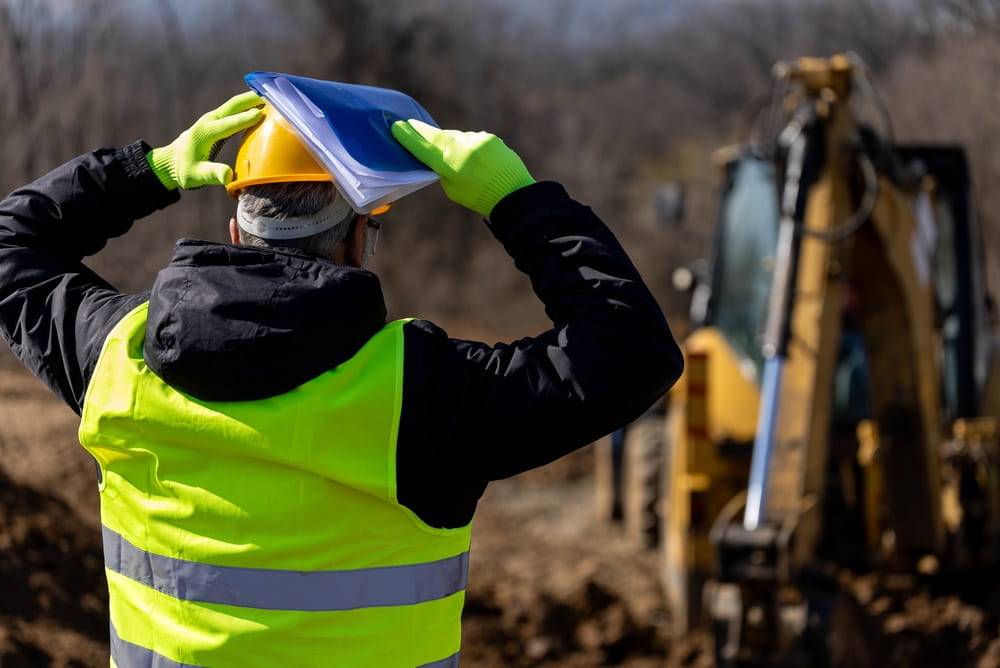
Pinned-between hazards, also called caught-in-between hazards, happen when a worker gets trapped, squeezed, or crushed between two objects.
These objects might include moving machinery, vehicles, building structures, or heavy materials.
According to OSHA’s construction safety framework, caught-in-between incidents are a serious workplace concern that requires proper planning, training, and protective measures.
In this post, we’ll go over seven common pinned-between hazards on construction sites and how workers can reduce the risks.
#1 Equipment And Walls
Construction equipment needs room to move, but job sites can get crowded quickly.
When workers operate forklifts, skid steers, or other machinery in tight spaces, they can accidentally trap someone between the equipment and a wall, column, or another fixed structure.
These incidents often happen because of blind spots, poor communication, or a lack of clearly marked work zones.
To reduce the risk, operators should check their surroundings before moving equipment, use spotters when visibility is limited, and follow designated travel paths.
Workers on foot should stay outside equipment operating zones and avoid standing between moving machinery and fixed objects.
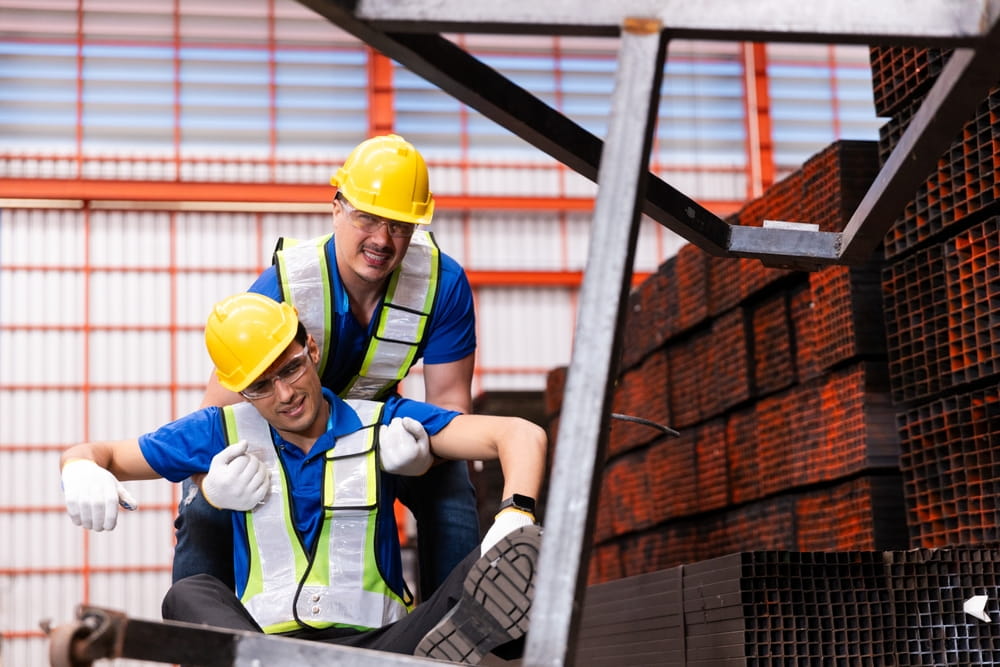
Also Read: Can OSHA Help Me In My Construction Injury Case?
#2 Vehicles And Structures
Construction vehicles regularly move materials, tools, and equipment around job sites.
Trucks often reverse toward loading docks, concrete barriers, storage areas, and building entrances. When workers stand between a moving vehicle and one of these structures, the consequences can be severe.
A common example is a delivery truck backing toward a loading area while a worker stands behind it to guide the driver.
Good traffic management makes a big difference here.
Construction sites should establish clear vehicle routes, separate pedestrian walkways from vehicle traffic, and use trained spotters when necessary.
Drivers should also check their surroundings and avoid reversing into crowded areas whenever possible.
#3 Heavy Materials
Lumber, steel beams, concrete blocks, pipes, and other construction materials can create serious crushing hazards. These materials are often heavy enough to cause major injuries if they shift, fall, or get pushed against a worker.
Unstable storage arrangements can make the problem even worse.
Materials stacked too high or placed on uneven surfaces may slide or topple unexpectedly.
Workers should store materials on stable, level surfaces and secure them when needed.
Heavy items should be handled with suitable lifting equipment rather than moved manually when doing so creates unnecessary risk.
Keeping storage areas organized also helps prevent materials from shifting into walkways or workspaces.
Also Read: How Much Is My Construction Accident Case Worth?
#4 Machinery Parts
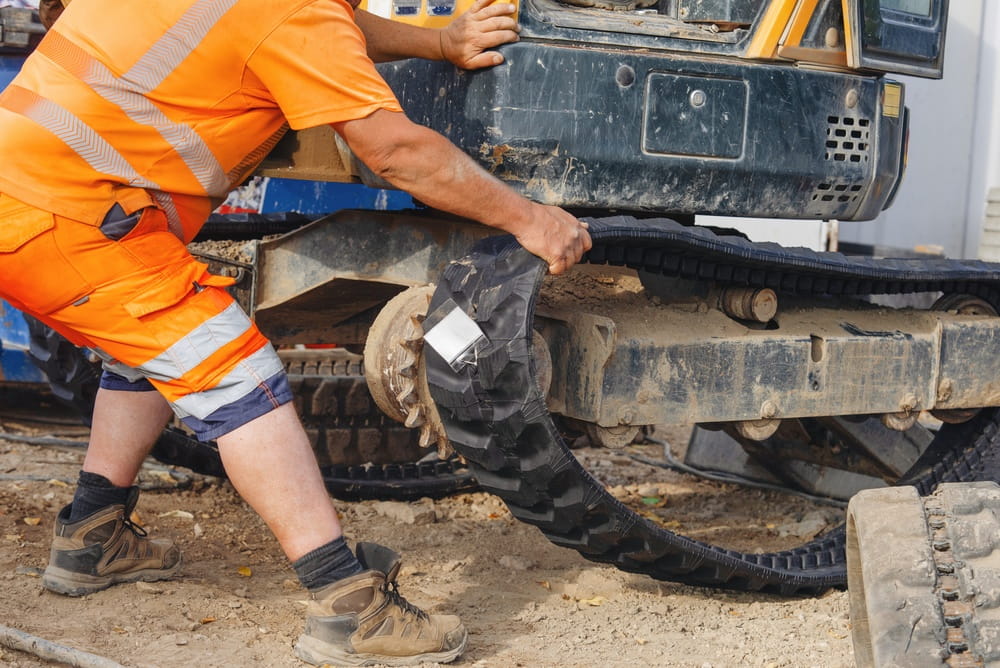
Construction machinery contains moving parts that can catch, squeeze, or crush a worker’s body.
Rollers, gears, belts, hydraulic components, and rotating mechanisms can create dangerous pinch points during normal operation.
These hazards are especially dangerous during cleaning, maintenance, and repairs.
Machine guards should remain in place during operation, and workers should never bypass safety devices to save time. Before maintenance or repairs, equipment should be shut down and hazardous energy sources isolated using proper lockout/tagout procedures.
Workers also need training on the specific machinery they operate or service.
Even experienced employees can get hurt when they underestimate how quickly moving components can cause an injury.
#5 Trenches And Excavations
Trenches and excavations present another serious pinned-between hazard.
Workers can become trapped when soil collapses, excavation walls give way, or heavy materials shift into the work area.
A trench collapse can bury a worker under thousands of pounds of soil. The pressure can prevent the worker from moving or breathing, making these incidents particularly dangerous.
Other risks arise when equipment operates too close to an excavation or when excavated soil is piled near the trench edge.
Vibrations and added weight can contribute to unstable conditions.
Under OSHA construction requirements, protective systems such as sloping, benching, shoring, or shielding may be necessary to protect workers from cave-ins.
Competent-person inspections are also essential, including after rainstorms or other events that could increase hazards. Workers should never enter an excavation they suspect is unsafe, and heavy equipment should be kept at a safe distance from trench edges.
#6 Suspended Loads
Cranes and other lifting equipment help construction crews move heavy materials into position.
However, suspended loads can swing, rotate, or shift unexpectedly, trapping workers between the load and a wall, column, or another structure.
The safest approach is to keep workers clear of suspended loads and establish controlled lifting zones. Loads should be properly secured, and qualified personnel should direct lifting operations when required.
Workers should also use suitable tag lines when appropriate to help control load movement without placing themselves in dangerous positions.
Nobody should stand between a suspended load and a fixed structure while the load is being maneuvered.
Also Read: Things to Consider When Hiring a Construction Accident Lawyer
#7 Construction Vehicles
Bulldozers, excavators, dump trucks, and other heavy construction vehicles create significant crushing risks because of their size, weight, and limited visibility.
A worker might get pinned between an excavator’s rotating upper structure and nearby equipment or between a dump truck and a material pile.
Blind spots are a major concern. Operators may not see workers standing close to the vehicle, even when mirrors or cameras are installed.
Construction sites should establish equipment exclusion zones and clearly separate workers on foot from operating machinery. Operators should:
- Use available visibility aids
- Follow site traffic plans
- Communicate with ground workers before moving or turning
Workers should stay alert, make eye contact with operators when appropriate, and never approach equipment until the operator has acknowledged their presence and it is safe to do so.
Bottom Line
Pinned-between hazards can happen almost anywhere on a construction site, from narrow workspaces and storage areas to trenches and active equipment zones.
Preventing these incidents starts with recognizing dangerous positions before work begins.
Employers should provide proper training, maintain equipment, establish safe work zones, and ensure workers understand site-specific procedures.
Workers also need to follow safety rules, communicate clearly, and avoid taking shortcuts around moving machines.