


Author: John Mattiacci | Owner Mattiacci Law
Published July 23, 2026

A car accident can leave more than just cuts, bruises, or a damaged vehicle. For many people, the emotional effects stick around long after the physical injuries begin to heal.
You might feel nervous every time you get behind the wheel, lose sleep because of flashbacks, or find yourself constantly on edge.
If that sounds familiar, you’re not alone.
The good news is that anxiety caused by a car accident may be included in a personal injury claim.
In this post, we’ll explain if you can claim anxiety after a car accident.
What Counts As Anxiety After A Car Accident?
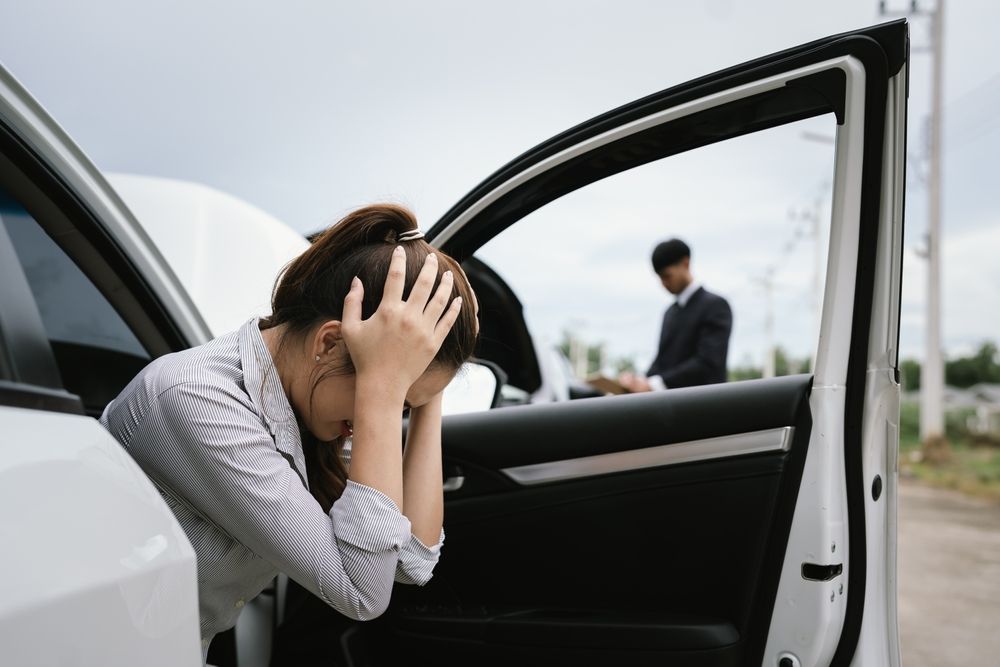
Anxiety after a car accident can show up in many different ways. Some people become afraid to drive again, while others feel anxious riding as a passenger.
Everyday situations that never seemed stressful before can suddenly feel overwhelming.
Here are the common signs:
- Panic attacks
- Trouble sleeping or frequent nightmares
- Fear of driving or riding in a vehicle
- Racing thoughts, constant worry, or feeling on edge
- Difficulty concentrating
- Avoiding roads, intersections, or places that remind you of the accident
Some people develop a diagnosed anxiety disorder, while others may experience post-traumatic stress disorder (PTSD).
Both can have a major impact on work, relationships, and daily life.

Also Read: Reasons To Sue A Hospital
Can You Claim Compensation for Anxiety After a Car Accident?
Yes, in many cases you can. Anxiety is often considered a compensable injury in a personal injury claim as long as it resulted from the accident and can be supported with evidence.
Many people assume they need broken bones or serious physical injuries before filing a claim, but that’s not always true.
Emotional trauma can be just as disruptive.
If your anxiety has affected your ability to work, enjoy everyday activities, or maintain your normal routine, it may become an important part of your case.
Insurance companies won’t simply take your word for it, though. They’ll usually want to see medical records and other evidence showing that your anxiety is connected to the accident.
The stronger the connection between the crash and your mental health condition, the stronger your claim is likely to be.
How Do You Prove Anxiety Was Caused By The Accident?
This is often the biggest challenge in an anxiety claim.
Unlike a broken arm that appears on an X-ray, anxiety isn’t something people can see. You’ll need documentation that shows your symptoms and how they’ve affected your life.
Here’s what you’ll need:
- Medical records showing you sought treatment after the accident.
- A diagnosis from a doctor, psychologist, psychiatrist, or licensed therapist.
- Therapy notes, counseling records, or prescriptions for anxiety medication.
- A timeline showing your anxiety symptoms began after the crash.
- A personal journal documenting panic attacks, sleep problems, and daily struggles.
- Statements from family members, friends, or coworkers describing changes in your behavior.
- Evidence that your anxiety has affected your work, relationships, or daily activities.
- Expert medical opinions linking your anxiety directly to the accident.
What Compensation Can You Receive For Anxiety?
Every case is different, so there’s no fixed dollar amount for an anxiety claim. The value depends on how severe your symptoms are and how much they’ve affected your life.
Also Read: Is The Car With More Damage At Fault?
You may be able to recover compensation for:
- Pain and suffering
- Therapy and counseling costs
- Prescription medication expenses
- Lost wages from missed work
- Reduced future earning capacity
- Loss of enjoyment of daily life
The value depends on the facts of each individual case.
What Should You Do If You Develop Anxiety After A Car Accident?
If you notice anxiety after an accident, don’t ignore it or hope it simply goes away. Mental health deserves the same attention as physical health.
Start by seeking medical care. A healthcare provider can evaluate your symptoms, recommend treatment, and document your condition.
Following the recommended treatment plan is equally important because it shows you’re taking your recovery seriously.
Keep copies of medical bills, therapy appointments, prescriptions, and any expenses related to your treatment. It also helps to write down how your anxiety affects your everyday routine.
Small details, like avoiding highways or struggling to sleep, can become valuable evidence later.
Also Read: I Was A Passenger In An Uber Accident
Finally, be careful when speaking with insurance adjusters. They may ask questions that seem harmless but could later be used to minimize your claim.
Many people choose to speak with a personal injury attorney before accepting any settlement offer, especially if emotional injuries are involved.
What Factors Can Affect Your Anxiety Claim?
Every anxiety claim is different, and here’s what can affect its strength and potential value:
- The severity of your anxiety and how long your symptoms last.
- Medical records documenting your diagnosis and treatment.
- Opinions from your doctor, therapist, psychologist, or psychiatrist.
- The cost of therapy, medication, and other mental health treatment.
- How anxiety has affected your ability to work and earn income.
- The impact on your daily life, relationships, and normal activities.
- The strength of the evidence connecting your anxiety to the accident.
- Insurance policy limits and the amount of available coverage.
Insurance companies and courts often look at the overall impact the condition has had on your life.
Can You Claim Anxiety If You Were Partly at Fault?
Yes, in many states you still may be able to recover compensation even if you shared some responsibility for the accident.
Many states use comparative negligence rules.
This means your compensation is reduced based on your percentage of fault. For example, if you’re found 20% responsible for the crash, your compensation may be reduced by 20%.
Some states follow stricter contributory negligence rules that can prevent recovery if you were even slightly at fault.
Even if you believe you played a role in the crash, don’t automatically assume you have no case. The facts surrounding an accident are often more complicated than they first appear.
Bottom Line
Anxiety after a car accident is a real injury, and in many situations, it can be included in a personal injury claim. If the accident caused lasting emotional distress that affects your work, relationships, or everyday life, you may be entitled to compensation.
The important thing is documenting your condition, seeking appropriate medical treatment, and keeping detailed records of your recovery.
Strong evidence can make a significant difference when negotiating with an insurance company or pursuing a legal claim.
If you’re unsure about your rights, speaking with an experienced personal injury attorney can help you understand the options available for your specific situation.