


Author: John Mattiacci | Owner Mattiacci Law
Published November 28, 2025

Getting into a truck accident can flip your life upside down in a split second.
One moment you’re driving down the road, and the next you’re staring at a mountain of medical bills, car repairs, and phone calls from insurance companies.
It’s overwhelming. But if you’re thinking about filing a claim, one thing matters above all else: evidence.
Evidence is what connects the dots between the crash, your injuries, and your financial losses. It shows who caused the wreck and why you deserve compensation.
Without it, your case is basically just your word against theirs.
In this post, we’ll go over exactly what kinds of evidence you need to win a truck accident settlement in Pennsylvania.
#1 Accident Scene Evidence
The accident scene is where the story starts, and it’s packed with valuable details.
The most important piece of evidence here is the police report. When officers arrive, they note things like traffic conditions, weather, statements from drivers, and any citations issued.
That report becomes a key document for your claim because it’s an official third-party record.
Photos and videos from the scene are just as powerful. If you were able to snap pictures of your car, the truck, skid marks on the road, or traffic lights, those images can tell the story better than words.
Also Read: How Much is the Average Truck Accident Settlement in Pennsylvania?
Sometimes nearby businesses or even traffic cameras capture footage of the crash. Dashcam recordings are another goldmine if you or anyone else had one running.
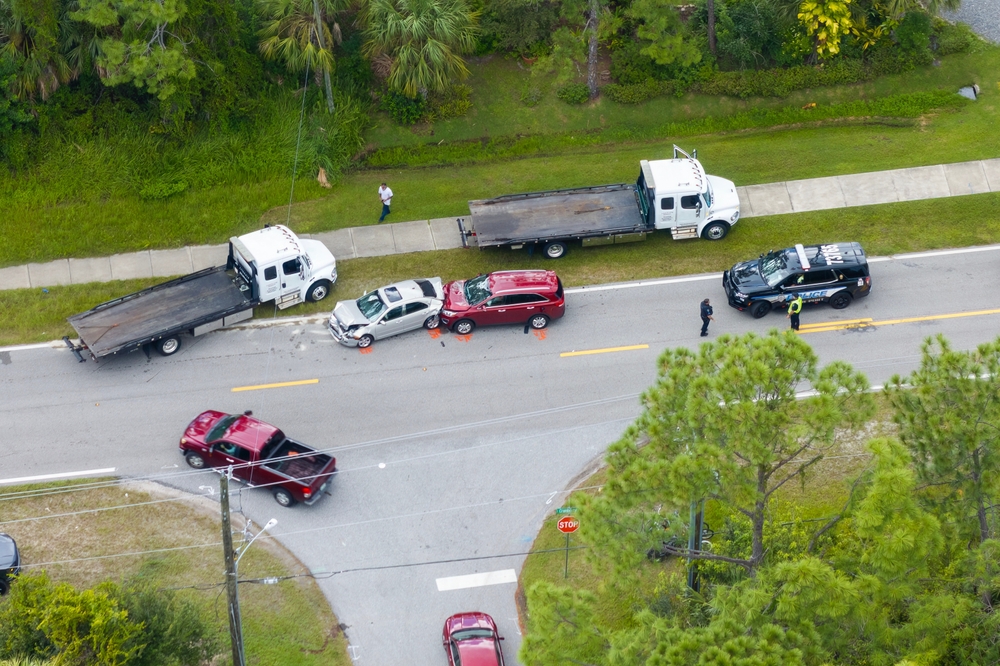
Then you have witnesses. A person who saw the accident unfold can add credibility to your version of events. Their testimony can cut through the “he said, she said” back and forth that often happens in these cases.
Even one strong witness can make a huge difference.
#2 Truck-Specific Evidence
Truck accident cases are a bit different from regular car accidents. Big rigs and their drivers have extra rules and responsibilities.
So truck-specific evidence plays such a major role.
One of the first things lawyers look at is the driver’s logbook.
Truck drivers have strict limits on how long they can be on the road without taking breaks. If they were over those limits, fatigue might have caused the accident.
Along with that, most modern trucks have an electronic logging device, sometimes called the “black box.” This tracks speed, braking, driving hours, and even sudden movements.
Maintenance records are another biggie.
Trucks are supposed to be inspected and serviced regularly. If the brakes were worn down or the tires weren’t safe, that’s evidence of negligence.
And don’t forget about cargo records. Overloaded or poorly secured loads can cause accidents, so bills of lading and weight tickets are also good evidence to win a truck accident settlement.
#3 Medical Evidence
Your injuries are the heart of your claim, so medical evidence is critical. From the very first ER visit to your last follow-up, every record helps paint the picture.
These include:
- Medical charts
- Test results
- Doctor’s notes
- Bills
But it’s not just about proving that you were hurt. Medical evidence also links those injuries directly to the accident. If you don’t seek treatment right away, insurance companies might argue that your injuries came from something else.
That’s why it’s so important to keep up with appointments and follow medical advice.
Sometimes doctors provide statements about your long-term outlook. If you need future surgeries, rehab, or medications, that adds more weight to your claim.
Those notes can also help prove things like permanent disability or chronic pain, which go beyond immediate bills and impact your entire life.
Also Read: Will Your Truck Accident Case Settle?
#4 Financial And Lifestyle Evidence
Money doesn’t solve everything, but it’s usually at the center of a settlement.
Financial evidence shows exactly how the accident has drained your wallet. This includes pay stubs or tax returns that prove lost wages when you couldn’t work.
If your injuries keep you from returning to your old job or limit your hours, that becomes part of your case too.
But it’s not only about dollars and cents. Lifestyle evidence is about how your world has changed. Maybe you can’t play with your kids the way you used to. Maybe you struggle with everyday tasks like grocery shopping or driving.
Keeping a journal of your daily struggles can actually help here.
Photos, videos, and testimony from family or friends can also highlight how much your life has shifted since the accident.
The combination of financial and lifestyle evidence gives a fuller picture. It proves you’ve lost more than just money and parts of your normal life, and that deserves recognition in a settlement.
#5 Expert Testimonies
Sometimes, facts alone don’t cut it. That’s when you need an expert.
These professionals add credibility by breaking down complicated details in a way judges, juries, or insurance adjusters can understand.
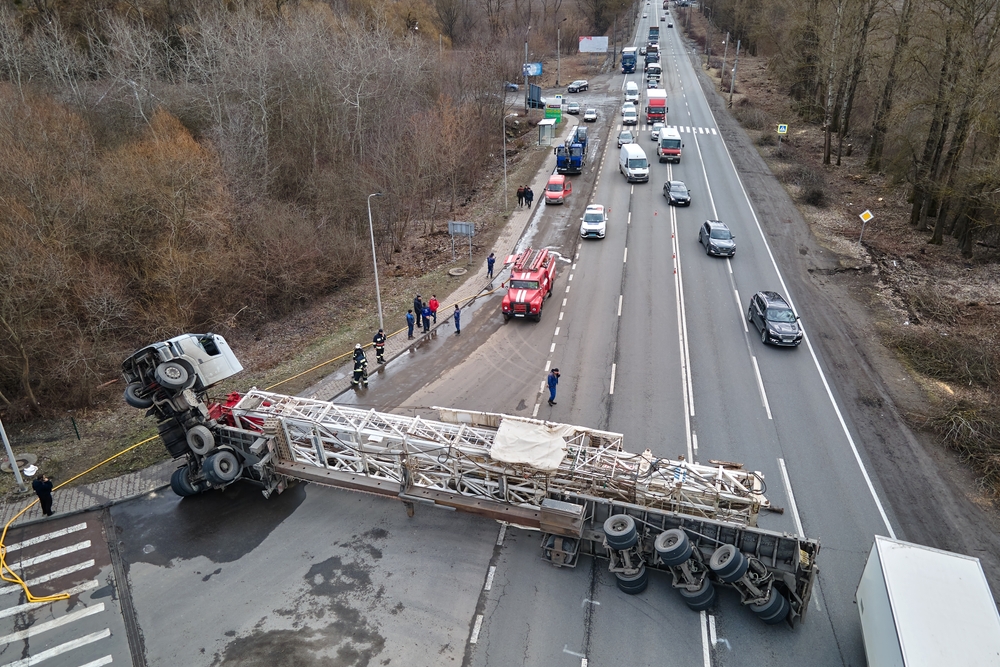
Accident reconstruction experts can recreate the crash using math, physics, and data. They explain how fast the truck was going, when the brakes were applied, and what likely caused the collision.
Medical experts can speak about your injuries, how they happened, and what your recovery might look like long-term. Economic experts can help calculate future financial losses, like what you’ll miss out on over the course of your career.
These testimonies can turn a good case into a great one.
They make the evidence stronger and harder for the other side to poke holes in.
Also Read: What Are the Differences Between Truck and Car Accidents
Why Evidence Matters In Truck Accident Cases
Truck accidents often involve higher stakes than regular fender benders.
These cases can include multiple parties: the driver, the trucking company, maybe even the cargo loader or vehicle manufacturer. Each one might try to shift blame.
Evidence helps cut through that mess and point directly to the responsible party.
Insurance companies aren’t quick to hand out large checks either. They’ll look for any excuse to downplay your injuries or argue that you were partly at fault.
Solid evidence makes it harder for them to deny what really happened.
In short, the better your evidence, the stronger your position during negotiations.
Why You Should Act Quickly
Here’s the thing – evidence doesn’t stick around forever.
Skid marks fade, vehicles get repaired, and trucking companies don’t hold onto records forever. Some data, like electronic logs, can even be overwritten after a certain period.
If you wait too long, you risk losing valuable proof that could make or break your claim.
Acting quickly also gives your legal team more time to build a case. They can send preservation letters to keep the trucking company from destroying records. They can track down witnesses while memories are still fresh.
Every day you wait is a day the other side might get ahead.
Bottom Line
Winning a truck accident settlement really comes down to the proof you can put on the table. The stronger your evidence, the harder it is for an insurance company to push back or downplay your losses.
Collecting accident scene details, truck-specific records, medical documentation, financial proof, and expert insights all work together to create a clear, undeniable story.
And the faster you act, the better chance you have of locking down the evidence before it disappears.