


Author: John Mattiacci | Owner Mattiacci Law
Published February 22, 2026

Almost everyone has been there.
You slip, trip, or take an unexpected tumble. You get up, feel embarrassed more than anything, and tell yourself, “I’m fine.” Then later that day, or the next morning, the soreness shows up.
Maybe it’s your back, your hip, your shoulder, or just a general “everything hurts” feeling that wasn’t there before.
At that point, it’s hard not to wonder if you’re overthinking it or if something real is going on.
Soreness after a fall is incredibly common, and it’s also one of the most misunderstood signs of injury. It doesn’t always show up right away, and it doesn’t always feel serious at first.
In this post, we’ll go over what soreness after a fall can mean, why it matters, and what steps actually help protect you.
Soreness After A Fall Can Be A Sign Of Injury
When you fall, your body absorbs a lot of force very quickly. Even if you don’t hit your head or break a bone, your muscles, joints, and soft tissues still take a hit.
That impact can cause injuries that don’t show up right away.
Soreness is often your body’s first clue that something isn’t quite right. Muscles can stretch beyond their normal range. Ligaments can get irritated. Joints can shift in ways they don’t like.
In many cases, inflammation builds slowly, which explains why you might feel okay at first and worse later.
Some injuries tied to post-fall soreness include muscle strains, soft tissue damage, joint injuries, and even small fractures that don’t show obvious symptoms right away.
Back and neck injuries are especially common. People often assume stiffness or aching is no big deal, only to realize days later that something more serious is going on.
Also Read: Spine Surgery From Slip And Fall
Ignoring soreness doesn’t make it disappear faster. Sometimes it does the opposite.
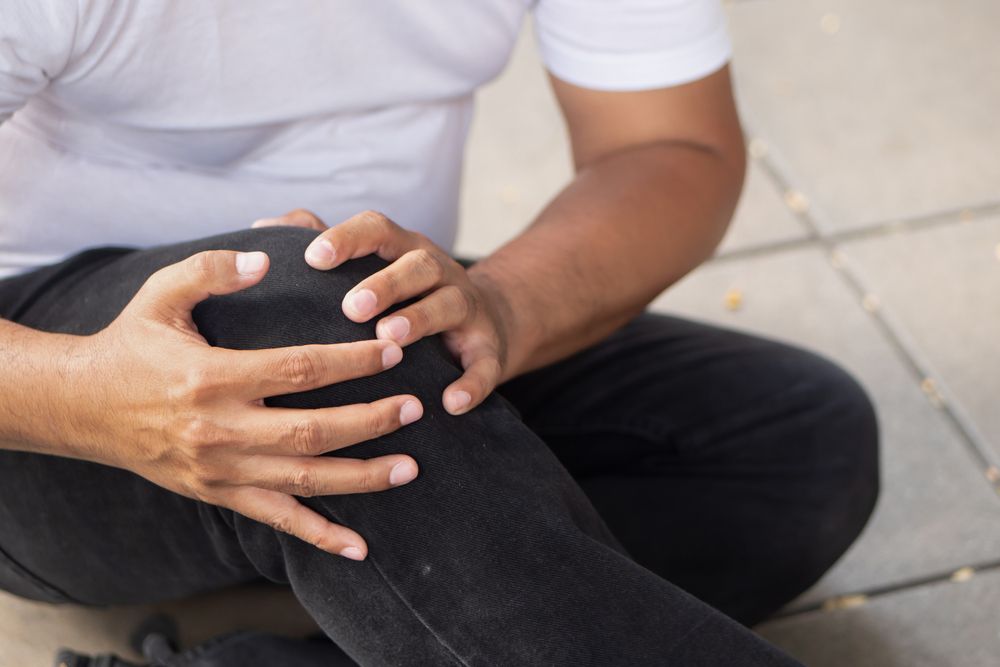
Common Situations That Lead To Fall-Related Soreness
Falls don’t just happen out of nowhere. Most of the time, there’s a reason. And in many cases, that reason involves a property owner failing to keep an area safe.
Some of the most common fall scenarios that lead to lingering soreness include:
- Slippery floors in grocery stores, restaurants, or retail shops
- Uneven sidewalks, cracked pavement, or loose flooring
- Poor lighting in stairwells or parking areas
- Wet surfaces with no warning signs
- Cluttered walkways or unexpected obstacles
These situations often lead to awkward falls, where your body twists or lands in a strange way. That’s exactly the type of movement that causes soreness to creep in later.
Even a short fall can do damage if your body isn’t prepared for it, and let’s be honest, no one is ever prepared to fall.
Also Read: Are Slip And Fall Cases Hard To Win?
What To Do If You Feel Sore After A Fall
This part is important, especially if the fall happened in a public place or on someone else’s property. What you do in the hours and days after the fall can make a big difference for both your health and any legal claim tied to the incident.
If soreness shows up, here’s what to do:
- Report the fall to the property owner, manager, or supervisor
- Ask for an incident report and make sure it’s filled out
- Take photos of the area where you fell, including any hazards
- Write down how your body feels and how the pain changes
- Avoid saying things like “I’m fine” if you’re not
You don’t need to panic or assume the worst. Just document and protect yourself.
Why Medical Treatment Is Important
Getting medical care will help understand what actually happened inside your body.
Soreness can mask injuries that need attention, and waiting too long can make recovery harder.

From a legal standpoint, medical records are incredibly important too. They connect the dots between the fall and your injuries. When there’s a delay in treatment, insurance companies love to argue that the soreness came from something else or wasn’t serious.
Seeing a doctor also helps you avoid making the injury worse. Something that starts as mild soreness can turn into a long-term issue if it’s ignored.
Early treatment often leads to better outcomes, less time off work, and fewer complications down the road.
Also Read: Slip And Fall Injuries Symptoms
How Insurance Companies View “Soreness After A Fall”
This is where things get a little less friendly.
Insurance companies don’t look at soreness the way injured people do. To them, soreness sounds vague, temporary, and easy to dismiss.
They may argue that soreness is just part of daily life. They might suggest it came from exercise, aging, or an old injury. They often downplay pain that doesn’t show up on an X-ray or scan right away.
Another common tactic is focusing on your words.
If you told someone at the scene that you felt okay, they may use that statement later to question your claim. Even casual comments can be taken out of context.
So soreness after a fall needs proper documentation and support to be taken seriously.
Signs That Soreness May Point To A Serious Injury
Some soreness signs might suggest that what you’re feeling deserves closer attention. These symptoms often indicate more than simple muscle fatigue.
Pay attention if soreness comes with things like:
- Pain that gets worse instead of better over time
- Stiffness that limits normal movement
- Swelling or visible bruising
- Numbness, tingling, or weakness
- Trouble walking, standing, or lifting objects
These signs can point to deeper injuries involving joints, nerves, or the spine.
They aren’t things to “sleep off” or power through. Listening to your body early can save you months of frustration later.
Possible Compensation In A Fall Injury Claim
When soreness turns out to be linked to a real injury caused by unsafe conditions, compensation may be available.
This is meant to cover the real impact the fall has had on your life.
A fall injury claim may include compensation for medical expenses, both current and future. Lost income can also be part of a claim if soreness or pain keeps you from working.
Pain and suffering is another factor, especially when injuries interfere with daily activities, hobbies, or quality of life.
Out-of-pocket costs add up quickly too. Transportation to appointments, medications, and home adjustments can all be tied back to the injury.
A proper claim looks at the full picture, not just the first doctor visit.
When To Contact A Lawyer After A Fall
Not every fall needs legal help, but some situations benefit from it sooner rather than later.
If soreness sticks around, interferes with work, or keeps you from living normally, it’s worth getting advice.
You may also want to talk to a lawyer if the property owner refuses to document the incident, or if an insurance company contacts you quickly and pushes for a recorded statement. These early interactions can shape how your case unfolds.
A lawyer can help connect the fall, the soreness, and the injury in a clear way. They can also handle communication so you don’t feel pressured or unsure about what to say.
Sometimes, just knowing your options brings peace of mind.
Bottom Line
Soreness after a fall is common, but it’s not meaningless. It’s often your body’s first signal that something happened beneath the surface.
Paying attention, getting medical care, and documenting what occurred can protect both your health and your rights.
You don’t need to assume the worst. You also don’t need to ignore what your body is telling you. A little caution now can prevent bigger problems later, and that’s always a smart move.