


Author: John Mattiacci | Owner Mattiacci Law
Published June 12, 2026
Getting sideswiped is stressful enough, but when the other driver speeds away instead of stopping, the situation becomes even more frustrating.
In just a few seconds, you can find yourself dealing with vehicle damage, possible injuries, and a lot of questions about what to do next. It’s easy to feel overwhelmed in the moment, especially if you’ve never been involved in a hit-and-run accident before.
The good news is that there are several steps you can take right away to improve your chances of recovering compensation and helping law enforcement identify the driver who left the scene.
In this post, we’ll show you what to do in a sideswiped car hit and run scenario.
#1 Make Sure Everyone Is Safe
The first thing to focus on is safety.
If your vehicle is drivable, move it to a safe location away from traffic. A nearby parking lot, shoulder, or side street is usually a better place to stop than remaining in an active lane.
Take a moment to check yourself and any passengers for injuries. Even if everyone seems fine, keep in mind that the shock of an accident can mask pain for a while.
Neck soreness, headaches, and back pain sometimes don’t show up until later.
Turn on your hazard lights and stay aware of your surroundings. Secondary accidents can happen when drivers are distracted by a crash scene, so making yourself visible is important.
Also Read: How To Win A Right Turn Accident
#2 Call The Police
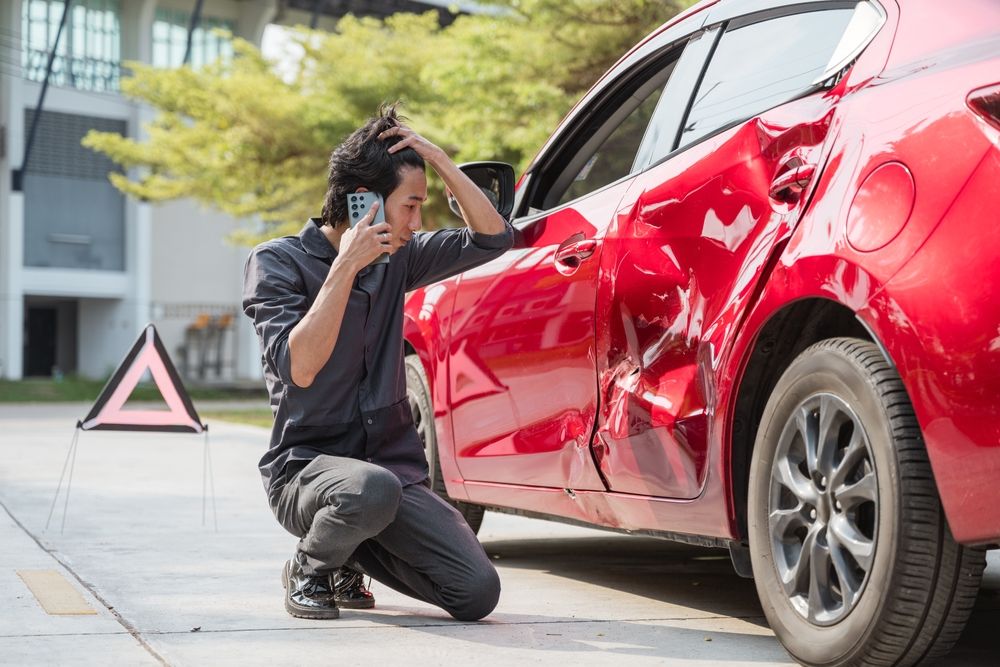
After a sideswiped hit-and-run accident, contacting the police should be one of your top priorities.
A police report creates an official record of what happened and may become important when filing an insurance claim.
When officers arrive, provide as much information as possible. Even small details can help.
Try to recall things such as:
- The make, model, and color of the vehicle
- The direction the driver went after the collision
- Any portion of the license plate you saw
- The approximate time and location of the accident
The more information you provide, the better the chances investigators have of tracking down the vehicle involved.
#3 Gather Evidence At The Scene
Evidence disappears quickly after an accident. Cars leave, debris gets cleared away, and memories fade. That’s why documenting the scene right away is so important.
Use your phone to take plenty of pictures.
Don’t worry about taking too many. It’s better to have extra photos than not enough.
Capture images of your vehicle damage from multiple angles. Photograph the roadway, nearby intersections, skid marks, broken vehicle parts, and anything else that might help explain how the collision occurred.
If there are weather conditions that may have played a role, document those as well. Rain, fog, poor lighting, or road construction could become relevant later.
You should also make notes about what happened while the details are still fresh in your mind.
Also Read: Does A Police Report Say Who Was At Fault?
#4 Look For Witnesses
Witnesses can be incredibly valuable in sideswiped hit-and-run cases. Sometimes they notice details that accident victims miss because everything happens so quickly.
If anyone stopped to help or was nearby when the crash occurred, politely ask if they saw what happened. They may have caught part of the license plate number or noticed details about the driver or vehicle.
Get their names and contact information if they’re willing to provide it.
A witness statement can strengthen your version of events and may help law enforcement during the investigation.
Don’t overlook nearby employees or business owners. Someone working at a gas station, restaurant, or retail store may have witnessed the crash from a window or parking lot.
#5 Check For Security Or Traffic Cameras
Video footage has helped solve countless hit-and-run cases. In many areas, cameras are everywhere, even if you don’t notice them right away.
Look around for possible sources of footage, including:
- Business security cameras
- Residential doorbell cameras
- Parking lot surveillance systems
- Traffic cameras at intersections
If you spot a camera nearby, let the responding officer know.
Time matters because many surveillance systems automatically overwrite older recordings after a certain period. The sooner footage is identified and preserved, the better.
Even if the actual collision wasn’t captured, footage may show the vehicle entering or leaving the area, which can provide useful clues.
#6 Contact Your Insurance Company
Once you’ve addressed immediate safety concerns and reported the accident, contact your insurance company as soon as possible.
Provide accurate information about what happened and share any photos, witness information, and police report details you have collected.
Also Read: How Long After Discovery Is Settlement?
Many people worry they’ll be stuck paying for everything if the driver isn’t found. Fortunately, that isn’t always the case. Depending on your policy, coverage options may help with vehicle repairs, medical expenses, or other losses.
Insurance companies often have reporting deadlines, so delaying the process can create unnecessary complications.
It’s usually best to notify them promptly, even if you don’t yet have every detail.

#7 Avoid Chasing The Other Driver
When someone hits your car and drives away, your first instinct may be to follow them.
That’s a completely understandable reaction, but it’s usually not a good idea.
Chasing another driver can create additional dangers. The fleeing driver may speed, run red lights, or drive aggressively in an effort to escape. Trying to keep up could put you, your passengers, and other drivers at risk.
Instead, focus on remembering details. Take note of the vehicle’s appearance, direction of travel, and any identifying characteristics you can safely observe.
Your safety is far more important than attempting to catch the driver yourself.
#8 Seek Medical Attention If Needed
Not every injury is obvious right after a crash. In fact, some of the most common accident-related injuries develop gradually over the following hours or days.
If you experience pain, dizziness, headaches, stiffness, numbness, or any other concerning symptoms, get medical attention.
Medical records serve two important purposes. First, they help ensure you receive proper treatment. Second, they create documentation connecting your injuries to the accident.
Waiting too long to seek care can make recovery more difficult and may create questions during the insurance claims process.
What If The Driver Is Never Found?
Unfortunately, not every sideswiped car hit-and-run driver is identified. Sometimes there simply isn’t enough evidence available to locate the person responsible.
That doesn’t mean all hope is lost.
Many accident victims still recover compensation through their own insurance coverage. Depending on the protections included in your policy, you may have options for repairing your vehicle and covering medical expenses.
This is one reason why reporting the accident, gathering evidence, and documenting your injuries are so important.
Those steps can support your claim even if the at-fault driver remains unknown.
If you’ve suffered significant injuries or substantial financial losses, speaking with an attorney may also help you better understand your legal options and the next steps.
Bottom Line
A sideswiped car hit-and-run accident can leave you feeling overwhelmed, but taking the right steps immediately afterward can protect both your health and your financial interests.
Focus on safety first, call the police, gather evidence, look for witnesses, check for cameras, notify your insurance company, and seek medical care if needed.
Most importantly, resist the urge to chase the fleeing driver.
Your job is to stay safe and preserve as much information as possible.
Finding the responsible driver isn’t always guaranteed, but acting quickly gives you the strongest chance of building a solid claim and moving forward after the accident.